How products actually get made. Real cost breakdowns, honest lead times, why samples fail, and what a factory quote leaves out. Some of it will cost us work — we'd rather tell you early.

Jewelry that turns green gets returned. Base metals, plating thickness, nickel rules and the wear tests to run before you order your first collection.

Air is fast. Sea is cheap. But the real choice depends on one number most founders never calculate. Chargeable weight, CBM, LCL vs FCL, in plain English.

A candle that smells great can still tunnel, smoke or crack its jar. Wax, wicks, scent load, test burns and labels: what to get right before production.

Two quotes for the same product. One looks cheaper. Is it? EXW, FOB and DDP explained in plain English, plus a simple way to compare quotes fairly.
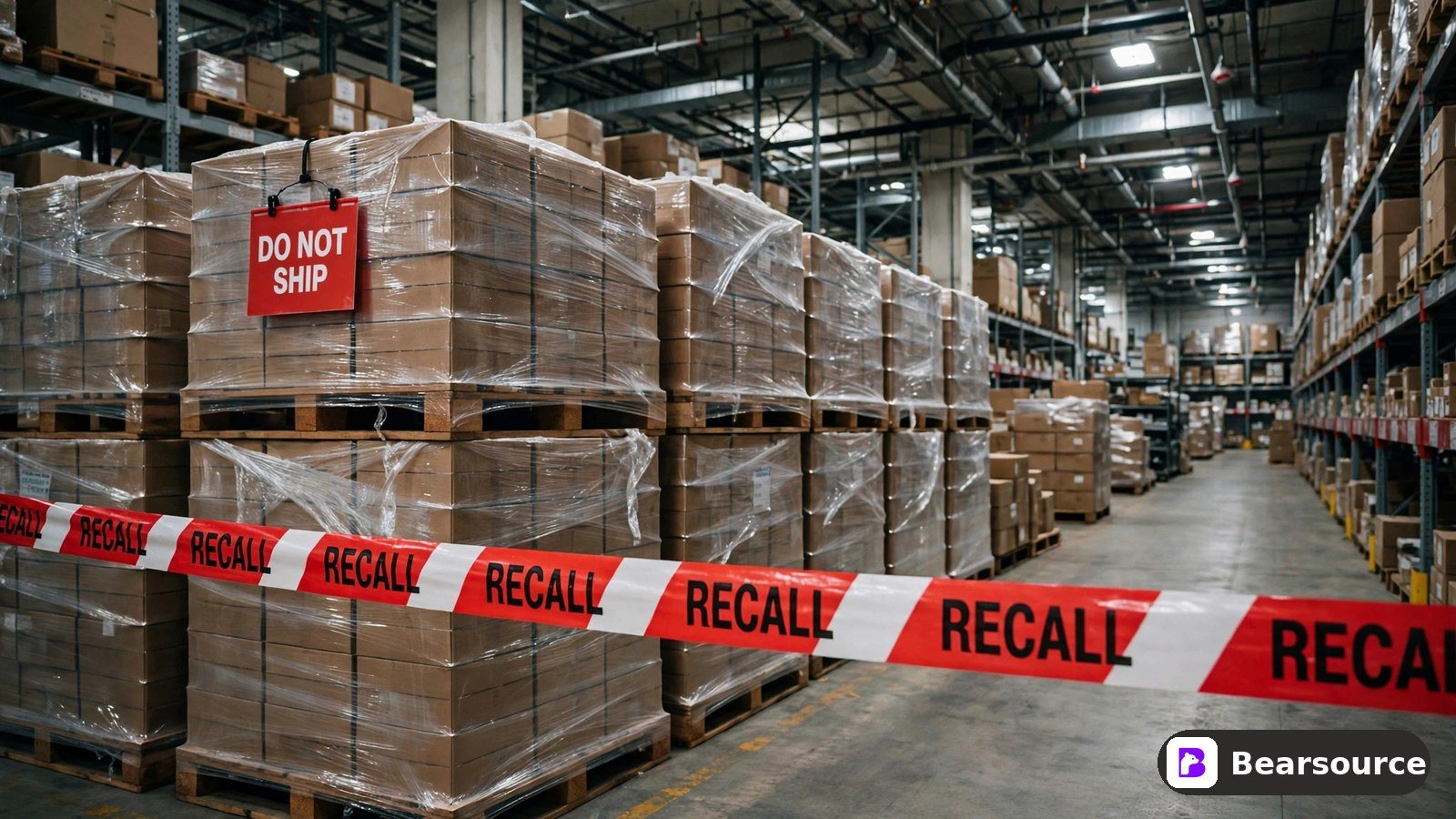
Nobody plans a recall. But the brands that prepare for one lose far less when it happens. The first 48 hours, the US and EU rules, and the simple prep that saves you.
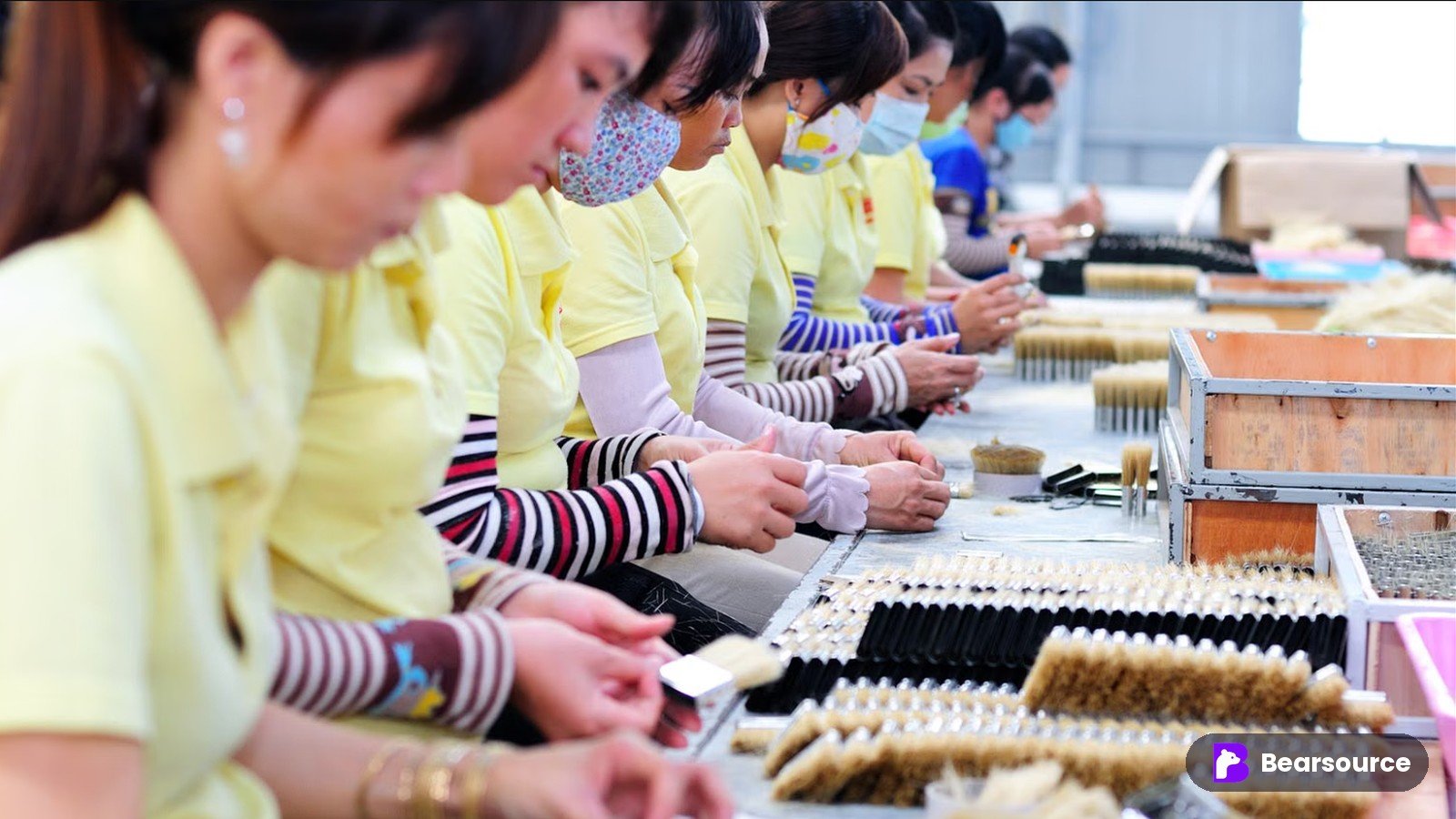
The buyer said yes. Now your factory has to pass their audit. The 3 audit types big retailers ask for, the programs they accept, and how to get ready without losing the order.

Your custom tumbler looks perfect — but does it leak? Materials, food safety and the 5 tests to run before you place your order.

From fabric and zippers to sample rounds and the 5 checks we do on every bag — a simple guide to making a custom backpack.
Your product is ready — but the boxes aren't. Here's how custom packaging works, why it has its own minimum, and how to plan it alongside your samples.
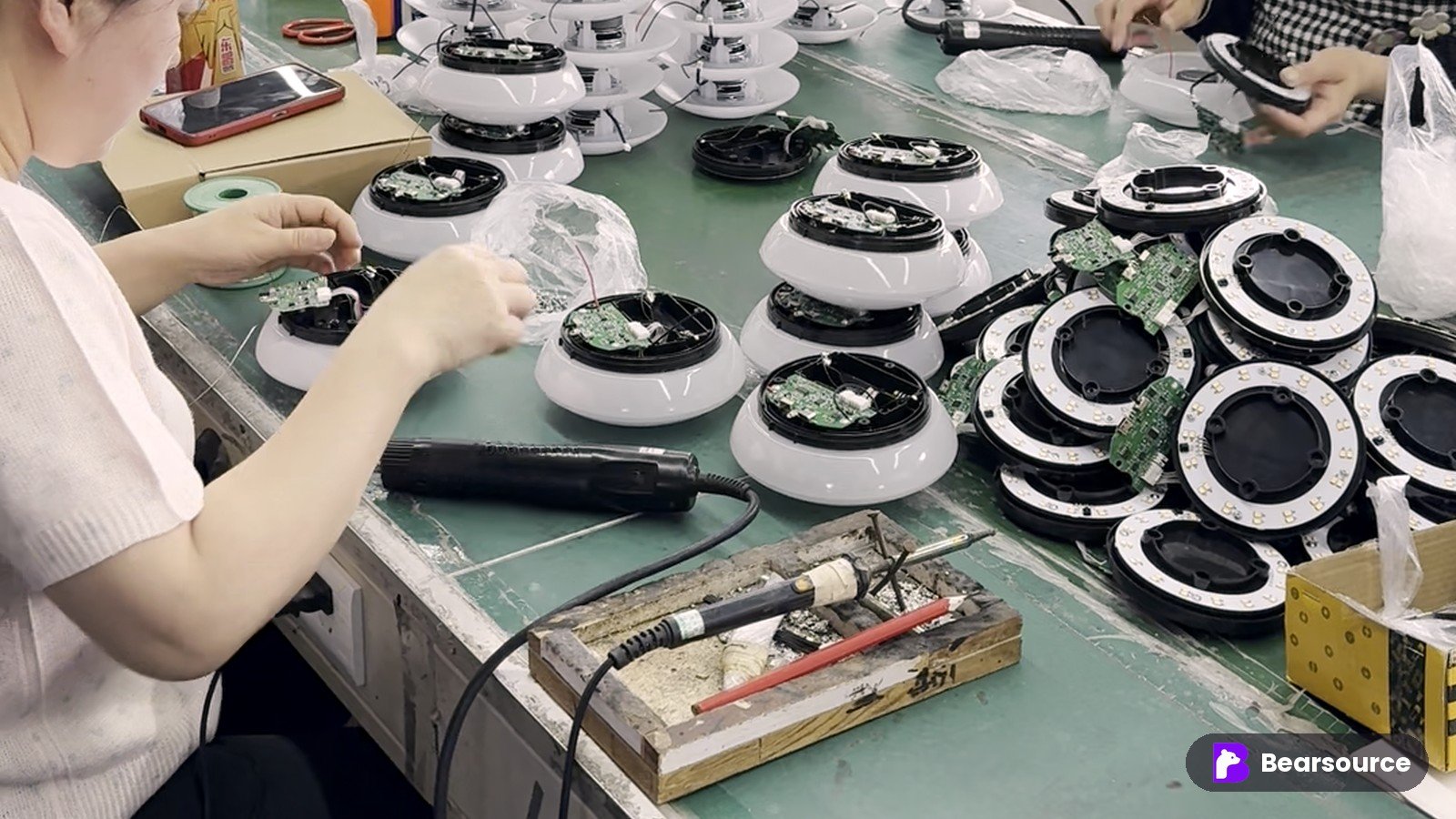
Kids' products, electronics, anything that touches food, lithium batteries — here's what usually needs testing before you sell in the US, and when to do it.
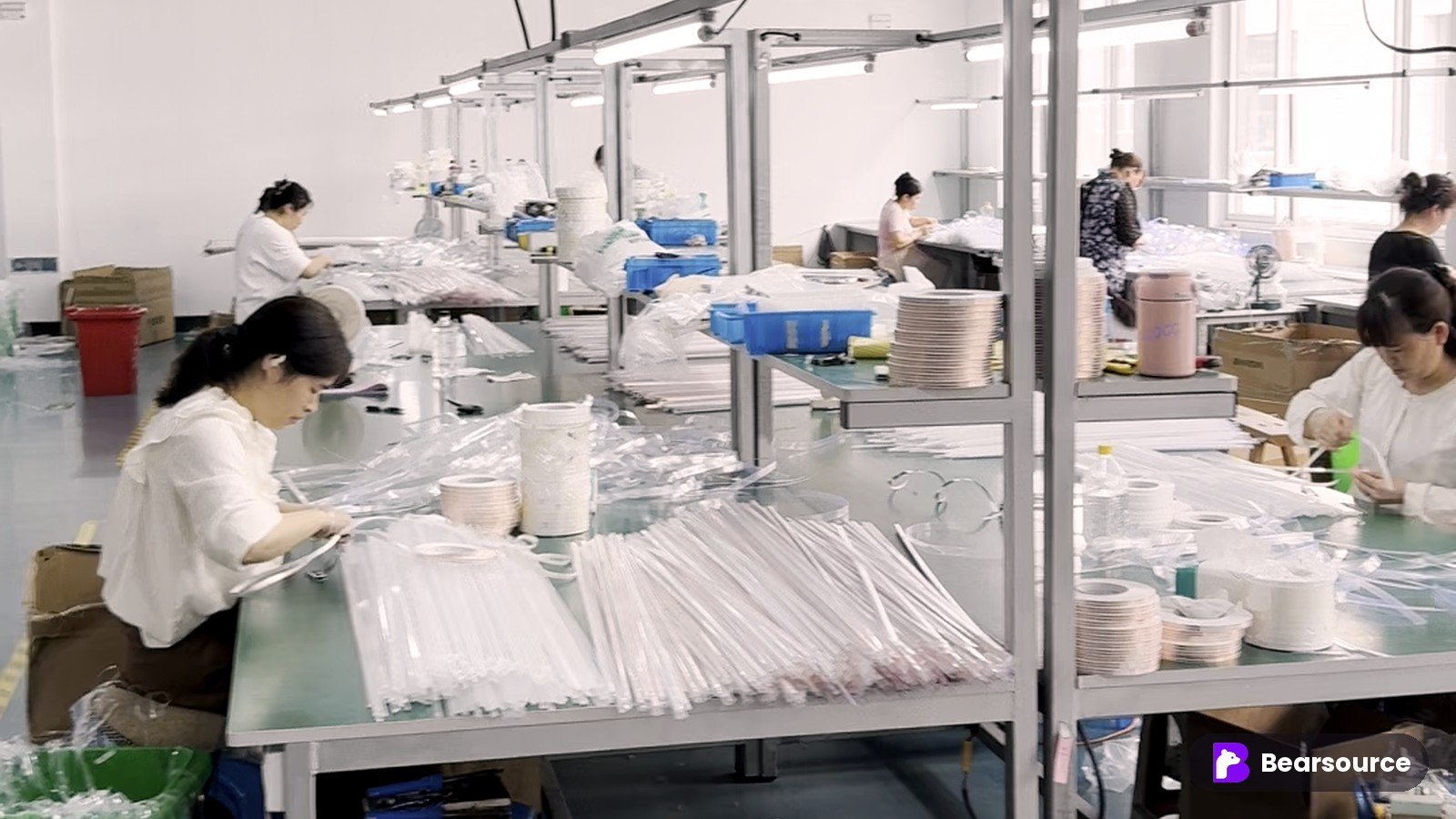
Before you send your design to a factory, sign the right agreement. Here's what an NNN covers, why it beats a standard NDA in China, and what else protects you.
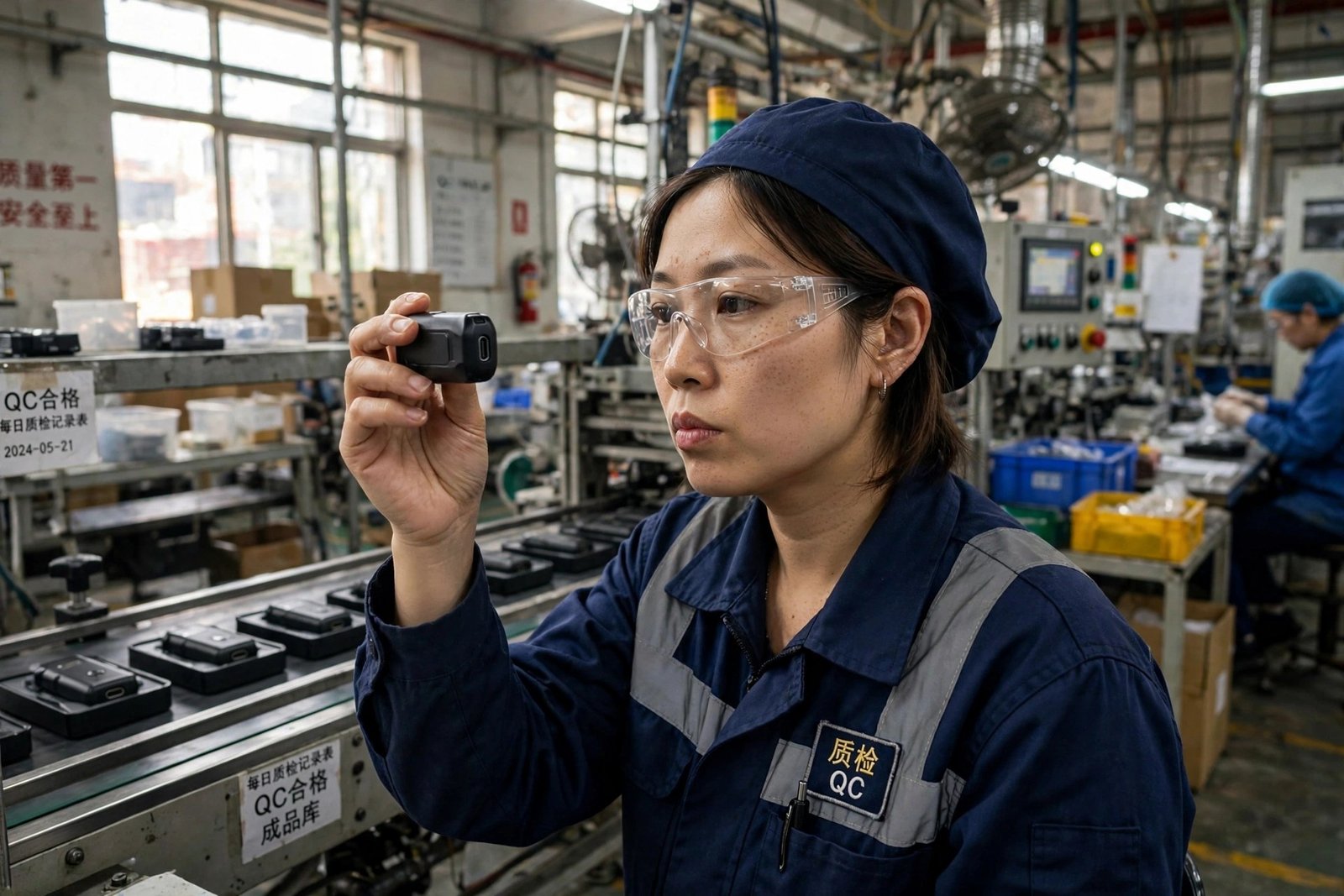
A cheaper quote seduced them away from a good factory. Then the tooling, the tribal knowledge, and the QC standards didn’t transfer — and the season was lost.
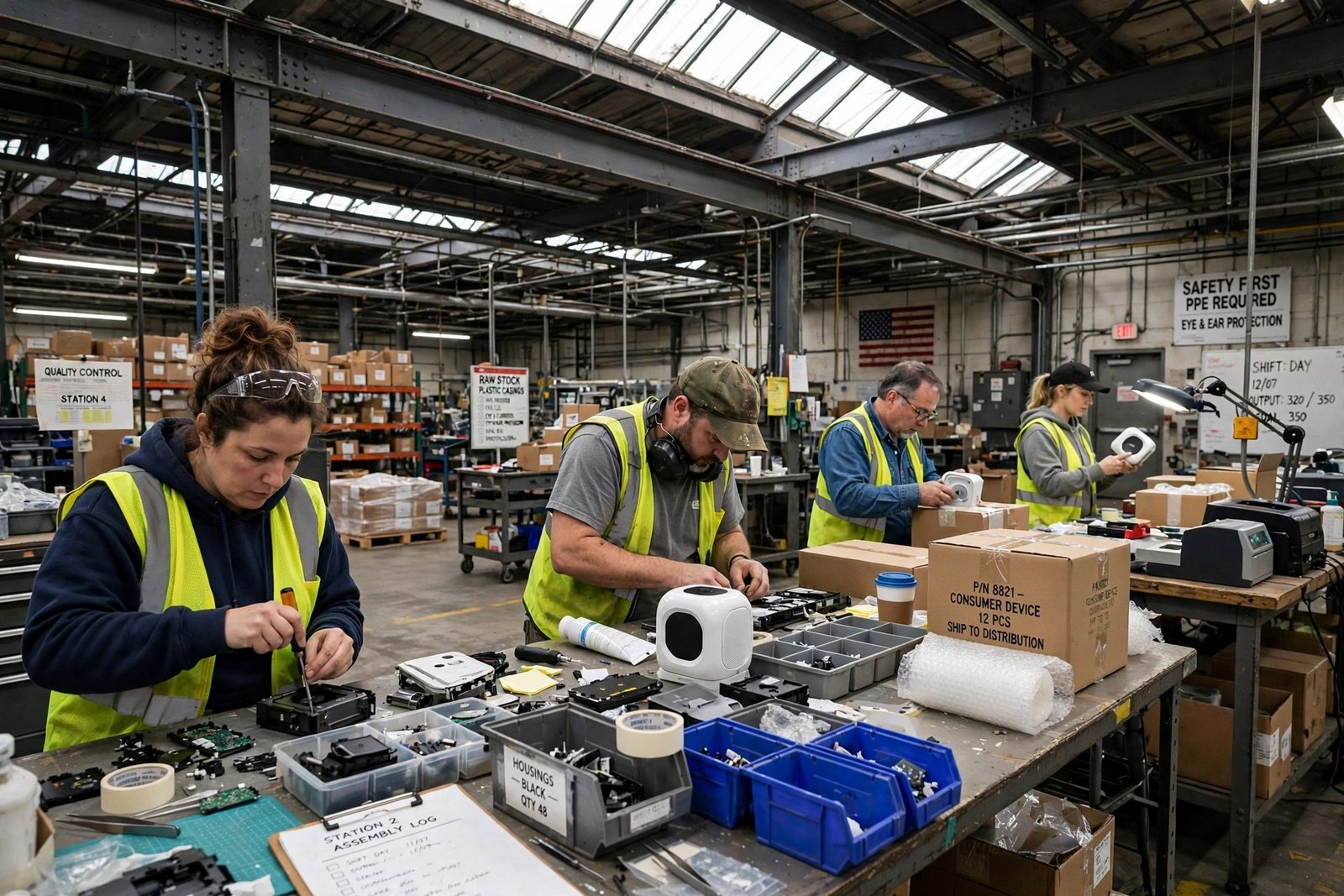
Tariffs have you wondering if US manufacturing is the answer. Here’s the honest math — when reshoring pencils out, when it’s fantasy, and the hybrid play that actually works.
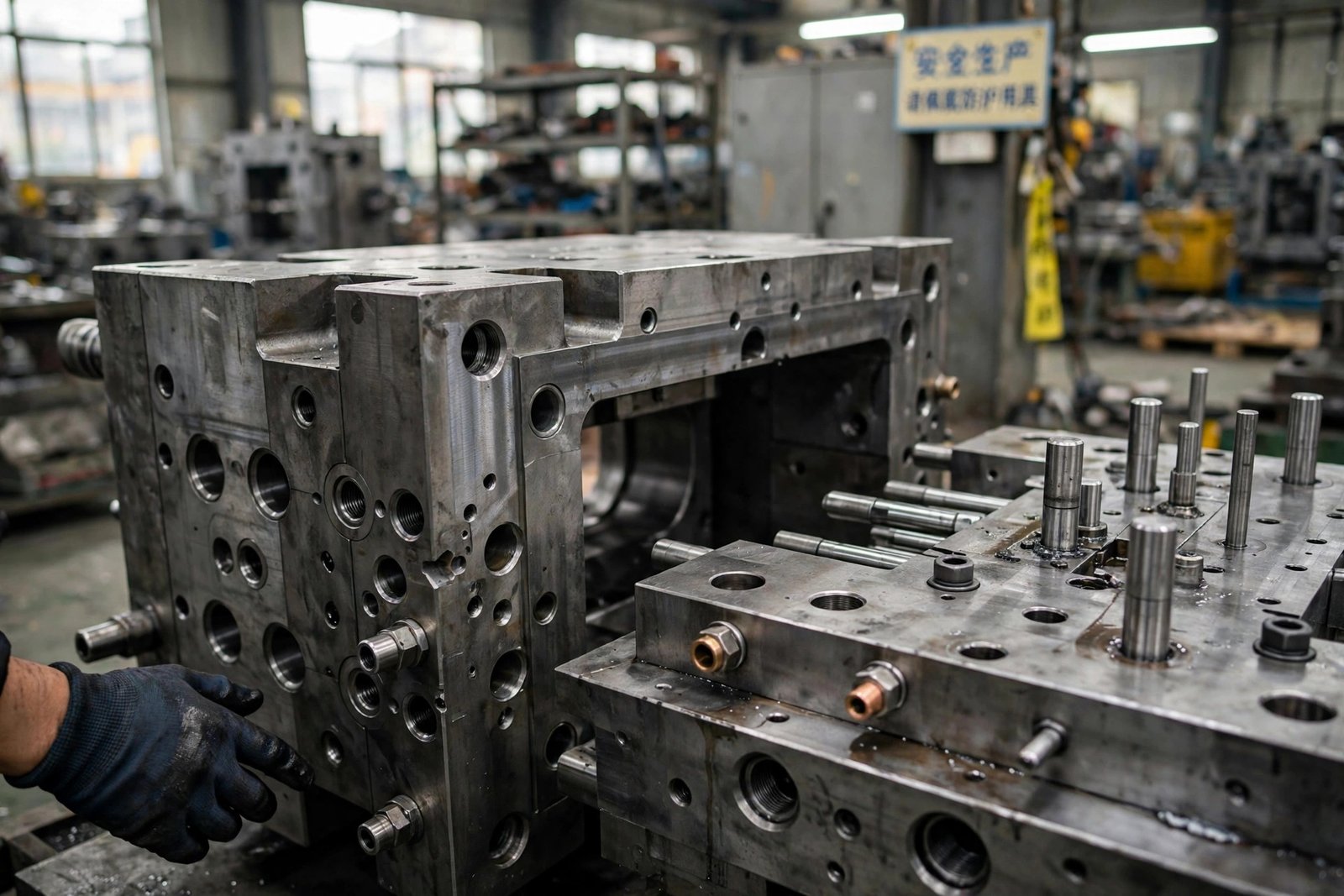
You paid for the tooling. It lives at the factory. Now they say it's theirs — and you can't move production. How to own your molds on paper before you pay.
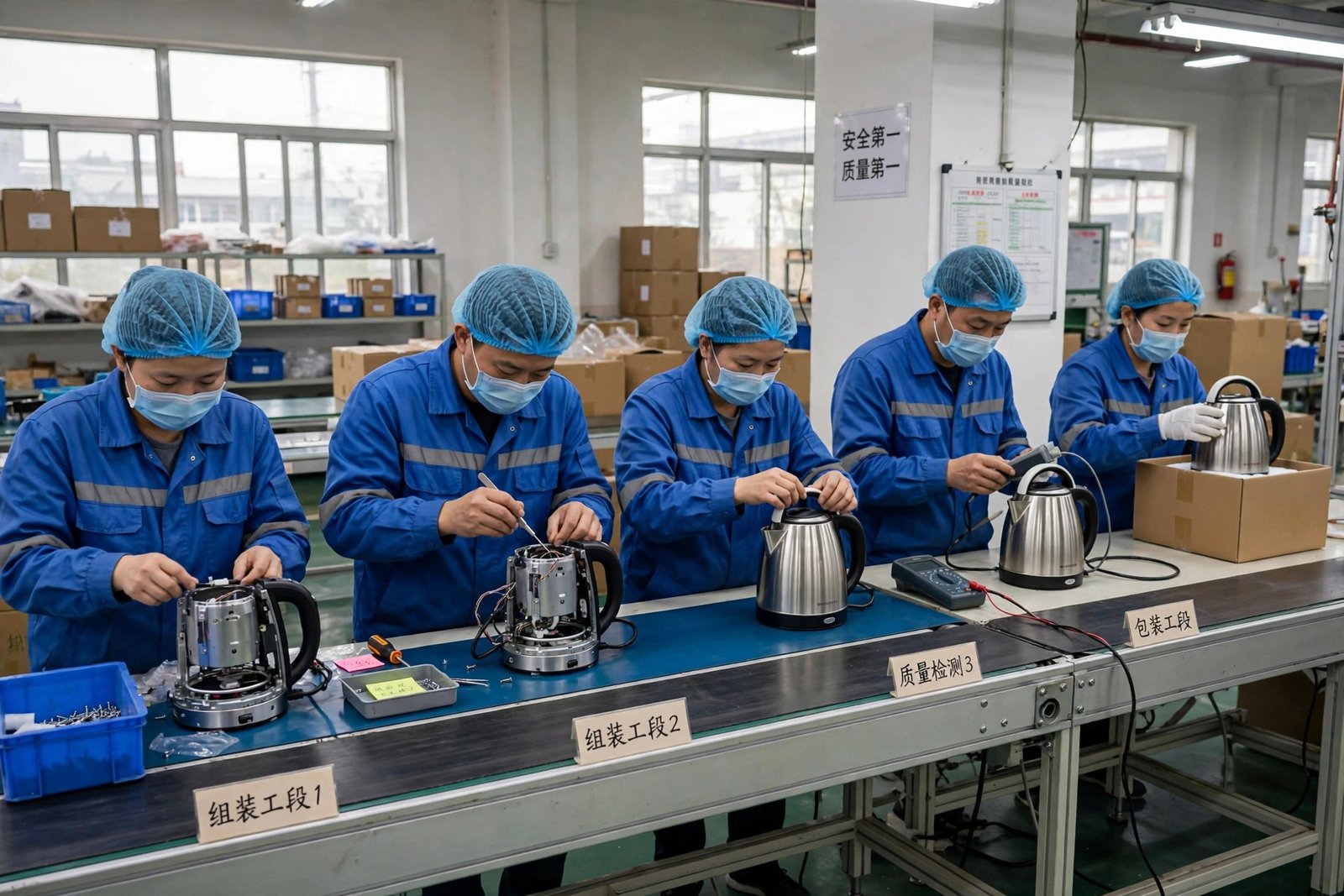
Splitting components across three suppliers feels like smart sourcing. It's actually how quality dies — no one owns the finished product.
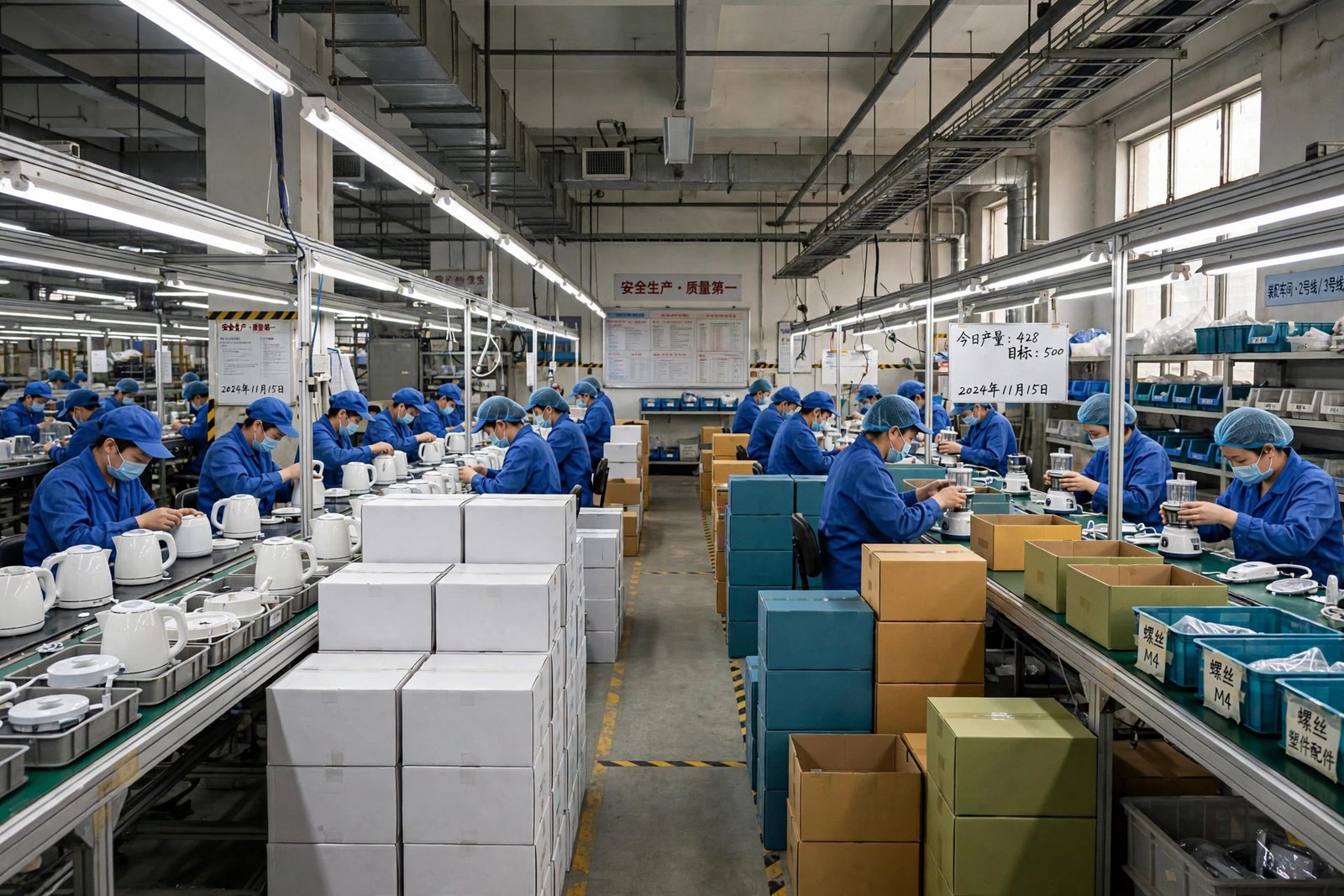
Your factory makes your competitor's product on the next line over. That's the business model — here's the three real risks and what actually protects you.
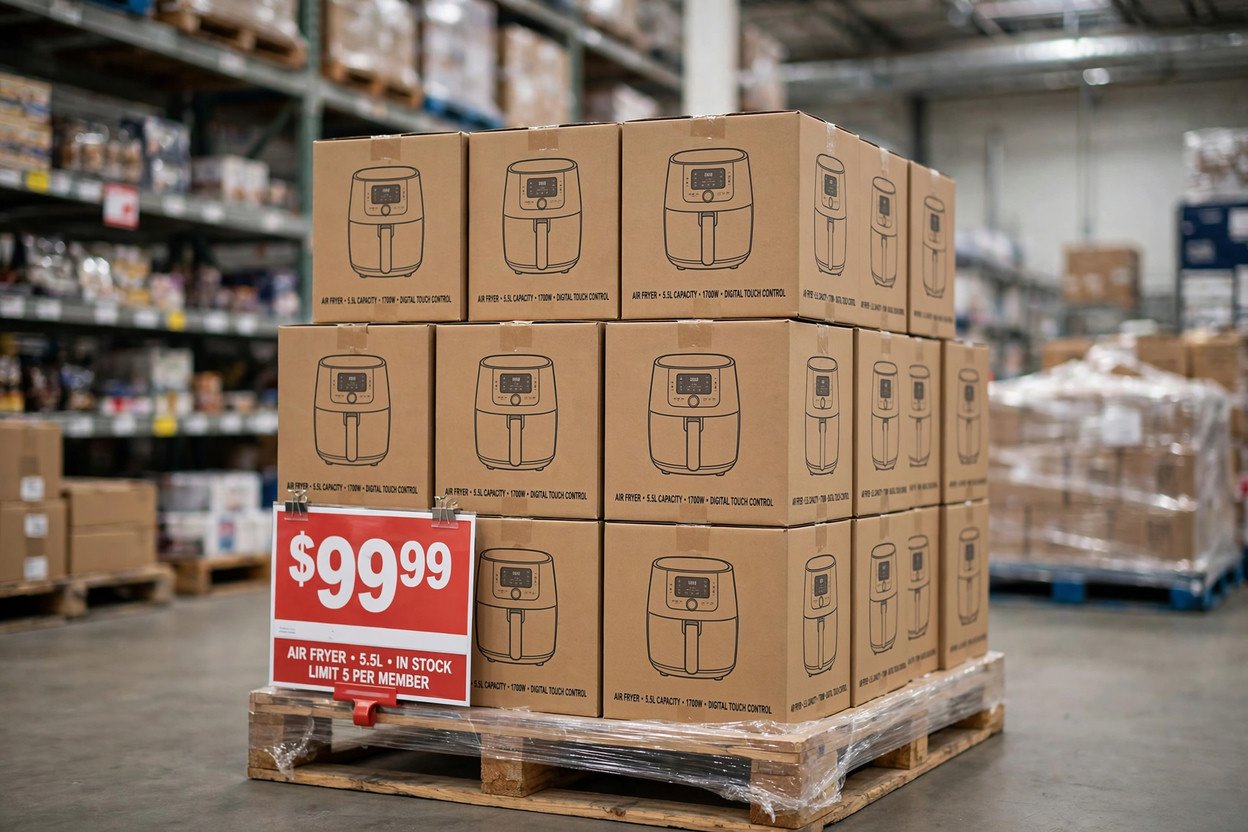
The shelf price is decided before the factory is chosen. Run the backward math — Costco's 14%, the brand's 25%, the freight bite — or your product never reaches the pallet.
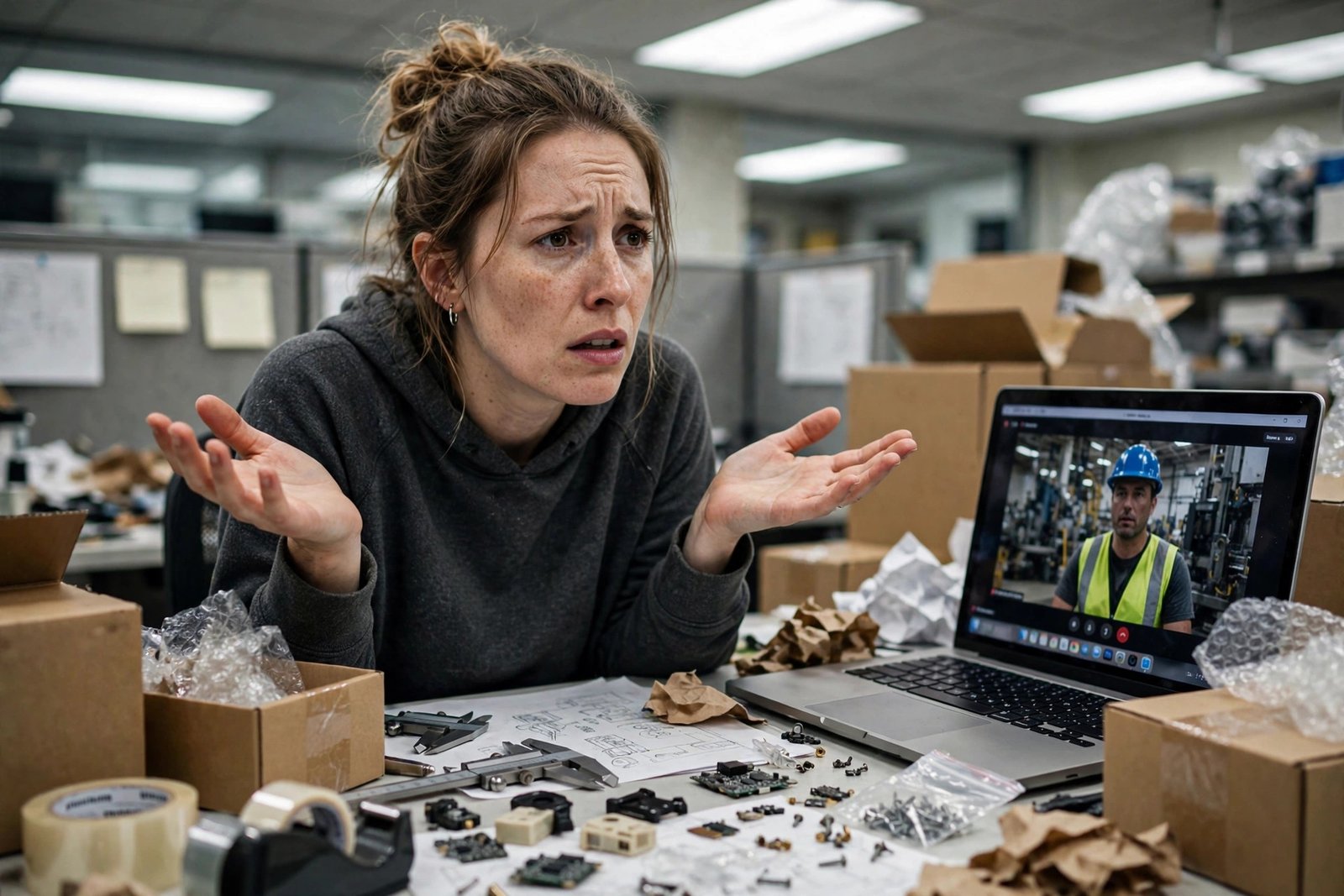
Startup founders are great at product — but end up running the whole supply chain themselves. The real cost of wearing every hat, and 5 rules for staying in your genius.
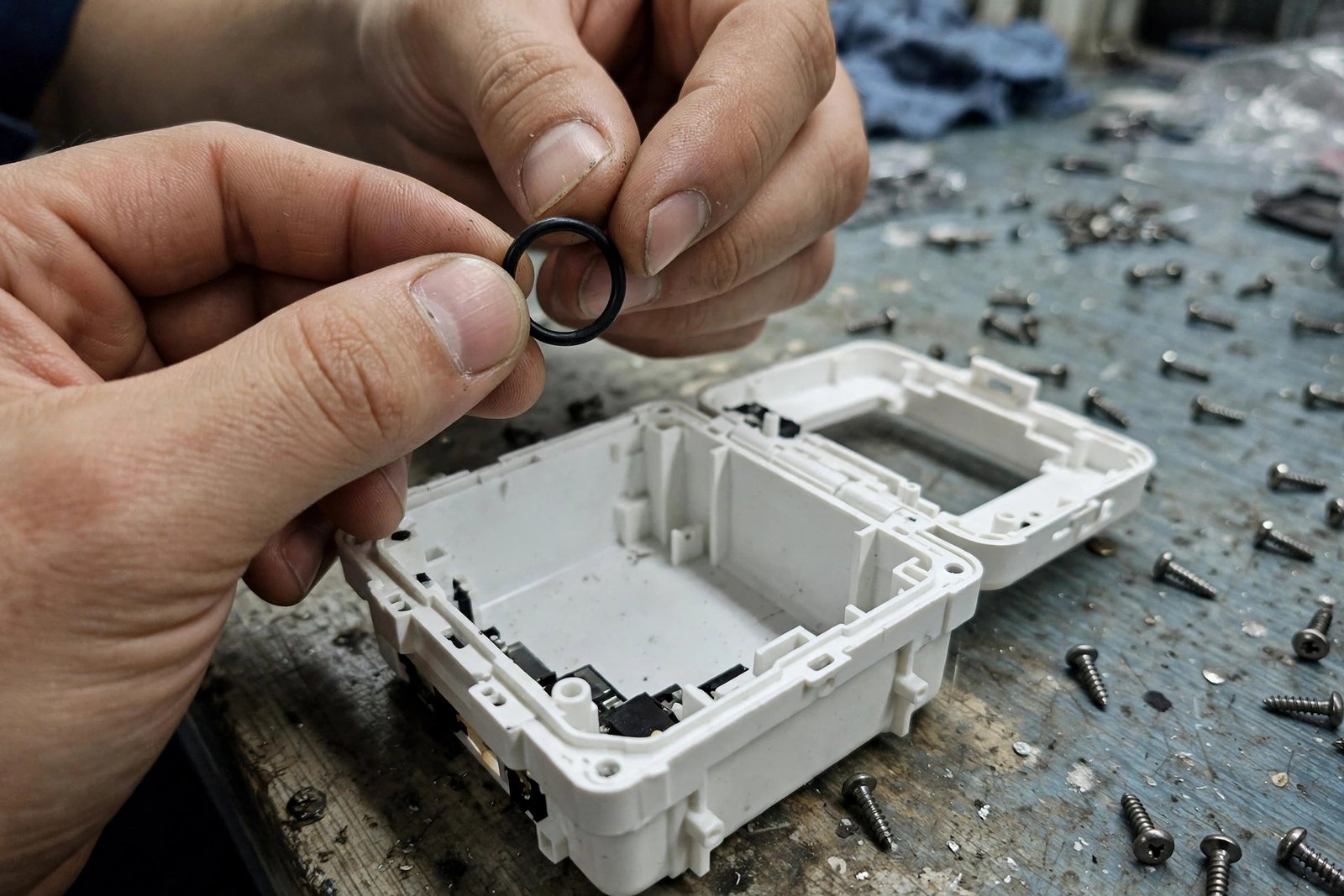
A $0.30 gasket sank a $2M product launch after a quiet material substitution. The war story, the real math, and the 5 rules that would have saved it.
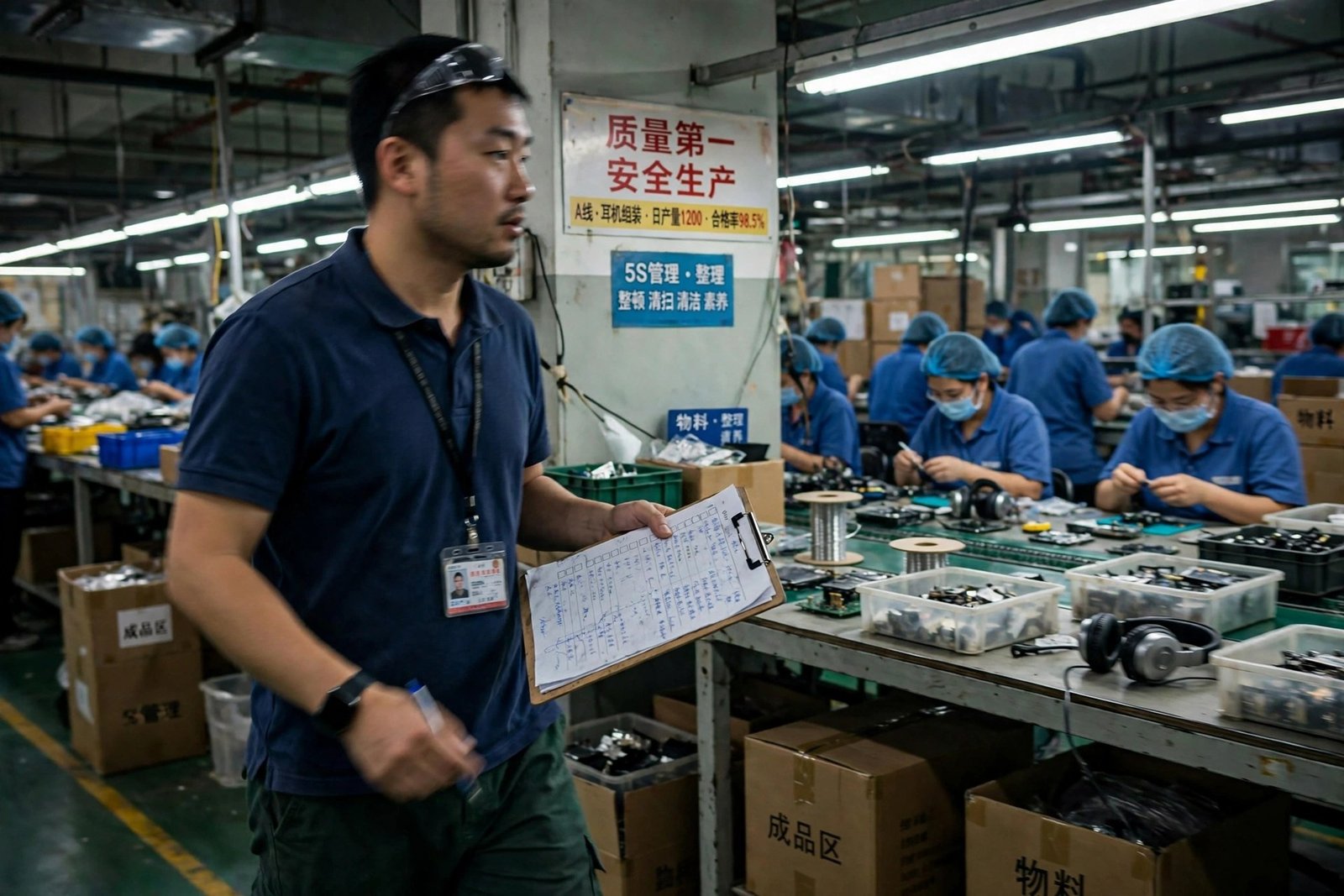
A 23-point factory audit checklist covering legitimacy, capability, quality systems, certifications, and commercial reliability — what to verify before you wire money to a factory in China.

Dates, what each phase covers, and a simple checklist for before, during and after the fair.
"We are the factory." Six simple checks to know who you're really dealing with — before you pay a deposit.

Sourcing agents typically charge 3–10% commission, flat project fees, or retainers. Here's what each model really costs — and the hidden markups to watch for.

Chinese New Year 2027, Golden Week, and typhoon season will delay your shipments — unless you plan around them. The full 2027 delay calendar with real disruption windows and buffer math.

Finding a reliable factory in China takes more than an Alibaba search. The full process: where to look, factory vs. trading company, vetting, and red flags.
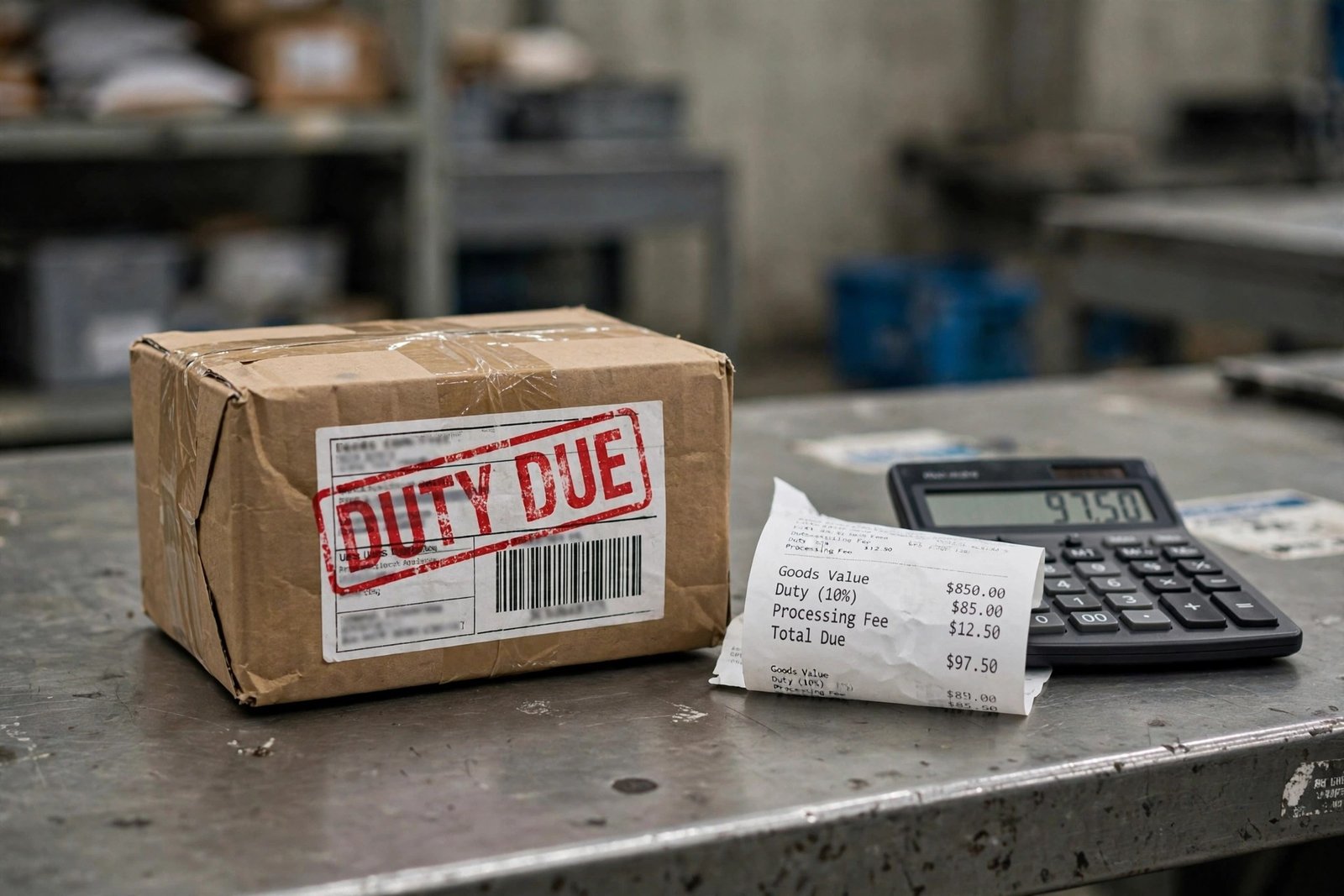
De minimis is gone. A worked example of what import duties really add now — plus 5 moves small brands should make.
MOQ explained in plain English: why factories set minimums, rough ranges by product type, and 7 honest ways to get a lower one.
A plain-English, 8-step guide to finding, checking and working with a factory — from your first spec sheet to the final inspection.

Experience isn't knowing every answer. It's knowing which questions to ask — before a small gap becomes an expensive mistake.
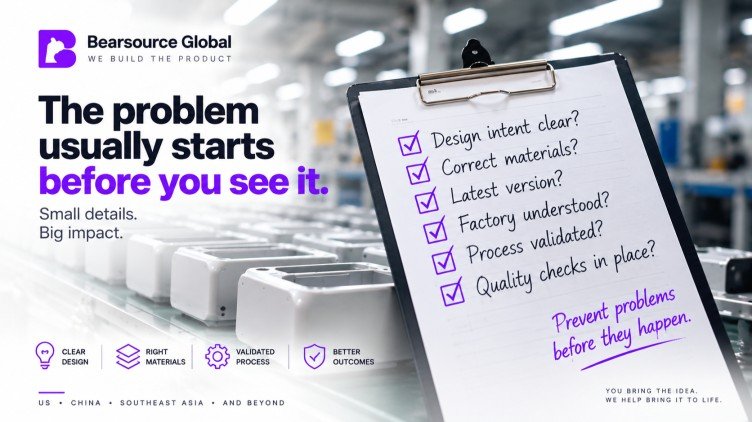
By the time a quality problem shows up on the line, it may have been there for weeks. Good production management starts before production.
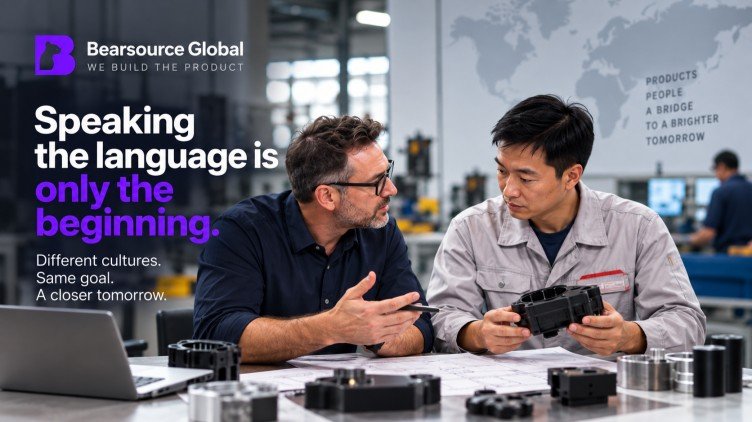
AI can translate words. Experience helps translate meaning. Why a factory's "yes" deserves one more question.
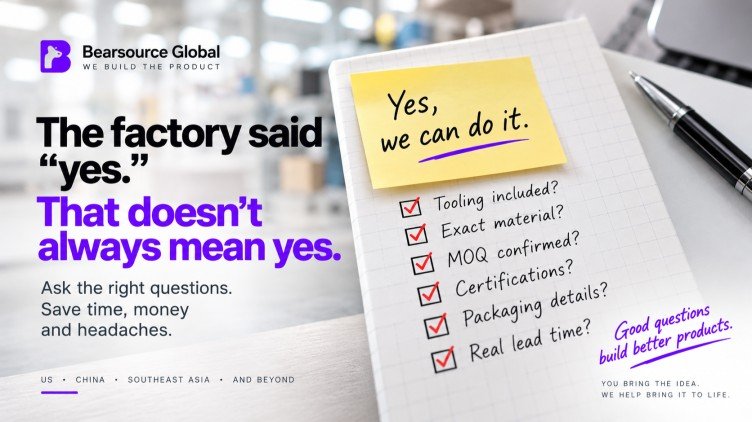
"Yes, we can do it" is where the real conversation should begin. Five minutes of clarification today can save weeks of problems later.
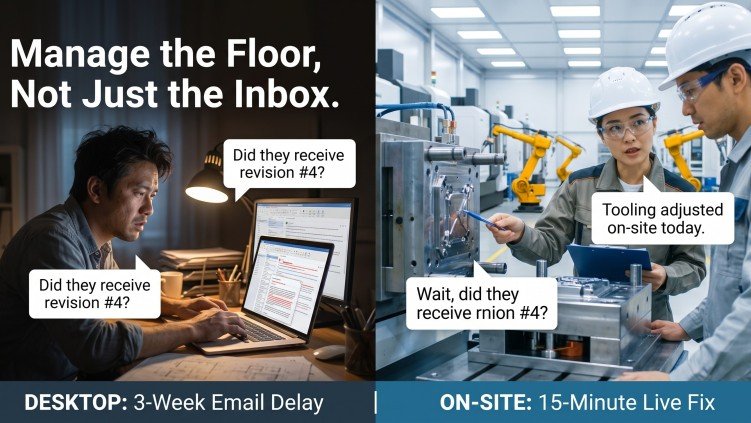
You can't manage a factory floor from an inbox 6,000 miles away. Boots on the ground turn 3-week email chains into 15-minute fixes.
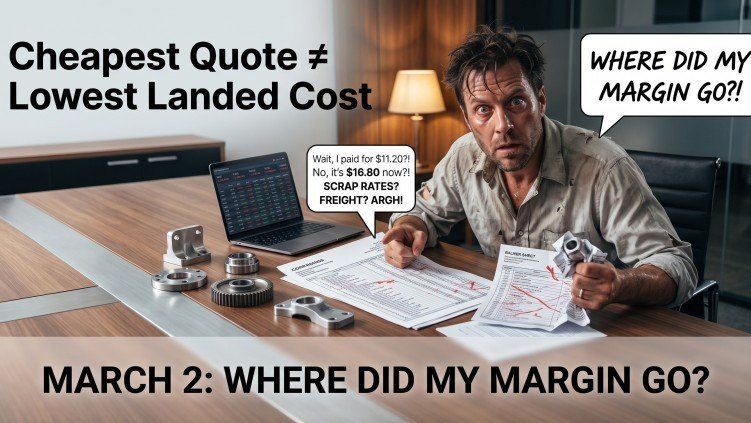
The cheapest quote on paper is almost never the lowest cost at your warehouse door. A worked example of how a "cheap" factory eats margin.
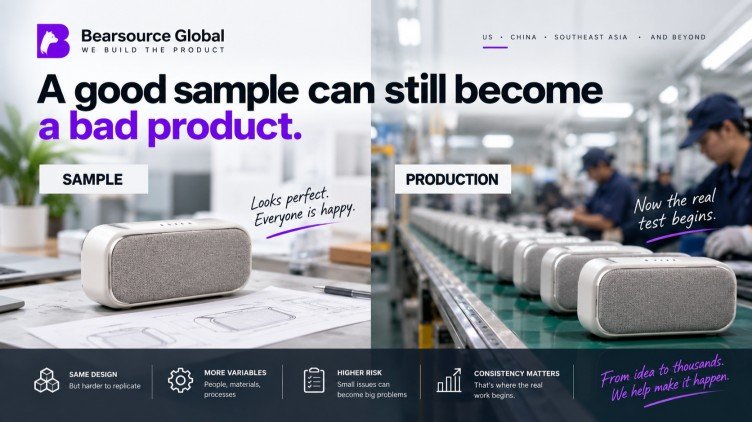
A great sample proves a product can be made. Production has to prove it can be made the same way, thousands of times.
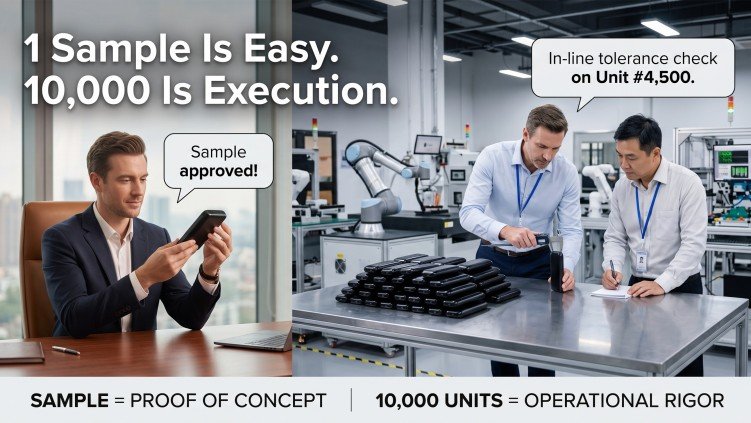
Making one golden sample is easy. Making 10,000 identical units is a different discipline — and why in-line QC isn't optional.

The person who dreams up the product is almost never the person who can execute it. Vision and operational rigour are different skillsets.
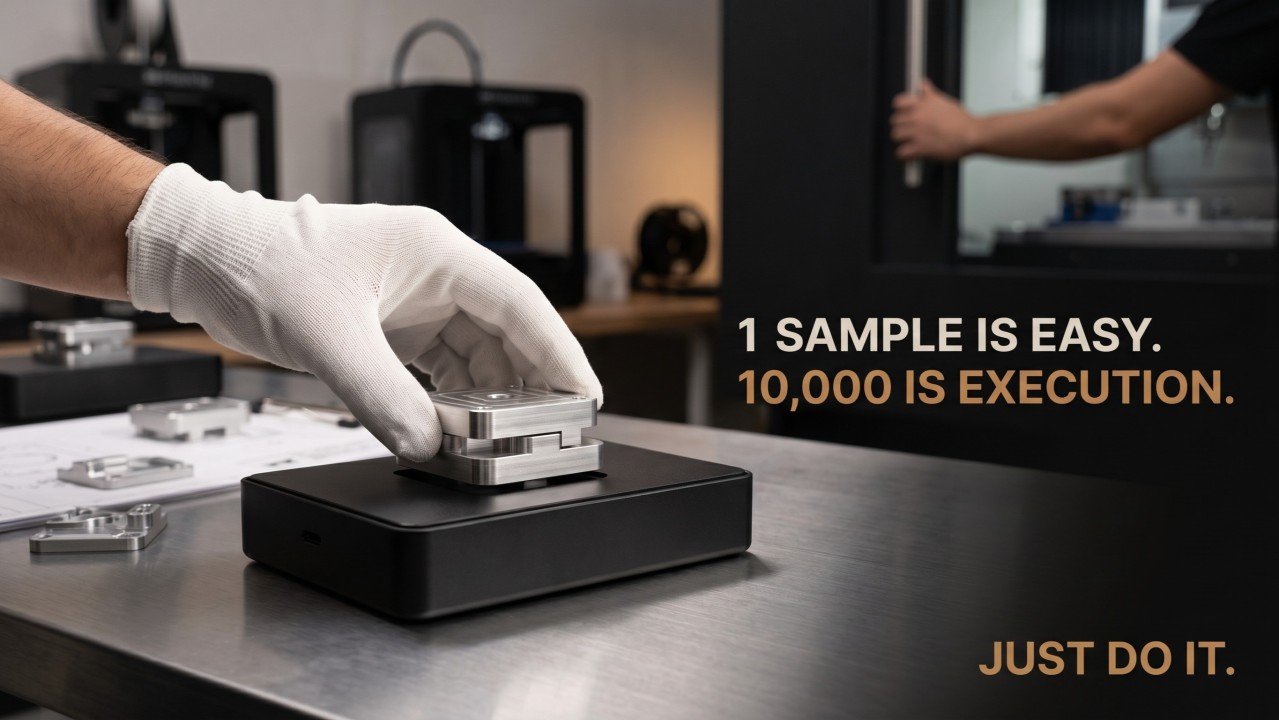
Your ideas don't cost anything. Execution is everything. What it actually takes to turn a 2am sketch into a profitable product.

The fear of getting scammed is valid. Going overseas doesn't mean gambling your business — you just have to replace blind trust with boots on the ground.

AI is great for drafting CAD concepts and translating spec sheets. It doesn't manufacture tangible goods. Humans do.
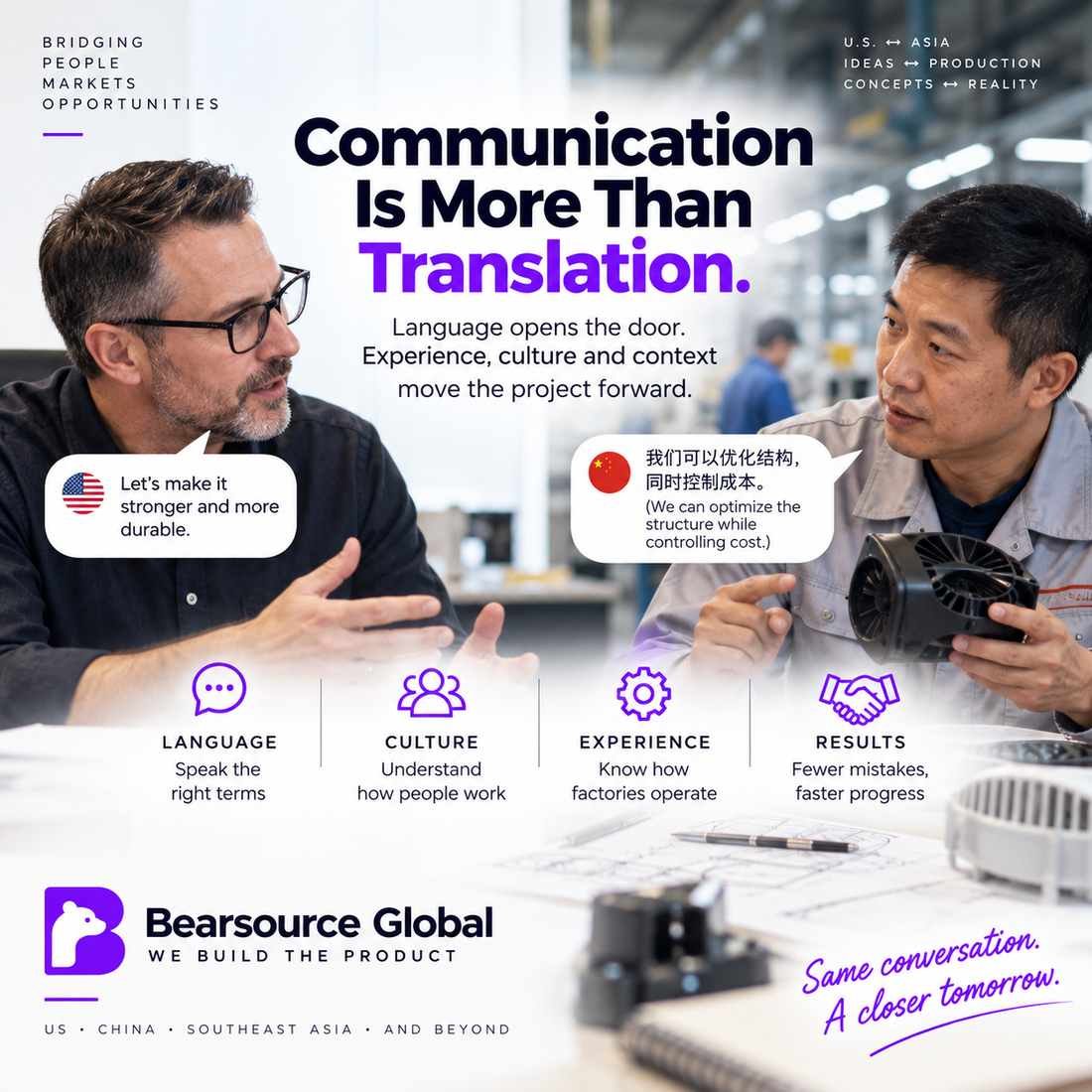 Working across borders
Speaking the language is only the beginning. A factory may say yes — and that doesn't always mean yes, exactly as you understand it.
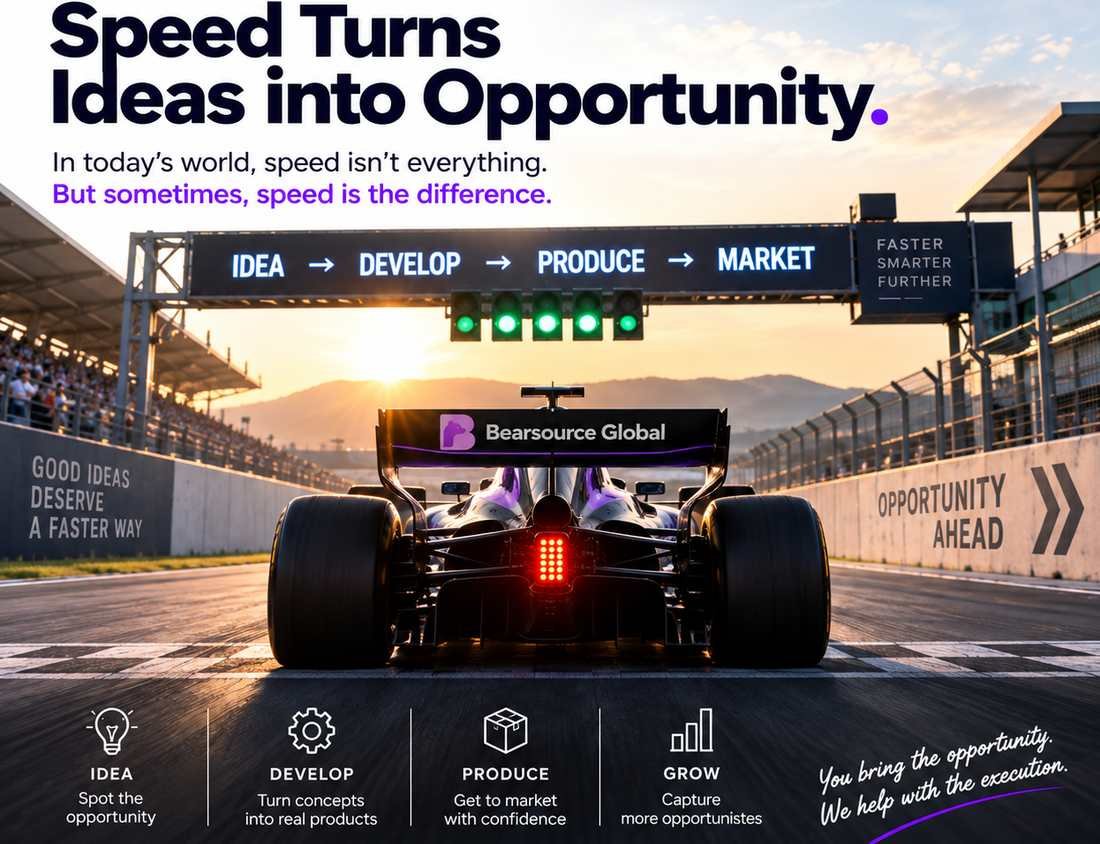 Our story
Having the idea is one thing. Turning it into a real product is another. By the time your team is built, the opportunity may look very different.
 Our story
Entrepreneurs are full of ideas. Turning one into a real product takes daily follow-up, the right partners and a lot of detail — and not everyone enjoys that part.
 Our story
No matter how much experience we have, there's always something we don't know. We're building something new, and we don't expect to have all the answers.
 Our story
No business plan. Just two friends at dinner, talking about family, work and why so many good product ideas get stuck at the factory. So we decided to do something about it.
 Behind the scenes
Packaging is the cheapest line on an apparel cost sheet and the first thing your customer touches. Here's how $0.80 quietly eats your margin.
 Education
Most founders aren't short of ideas. They're short of answers to the unglamorous questions — what this costs, how many you must order, why the sample came back wrong.
