16 October 2026 · Bearsource
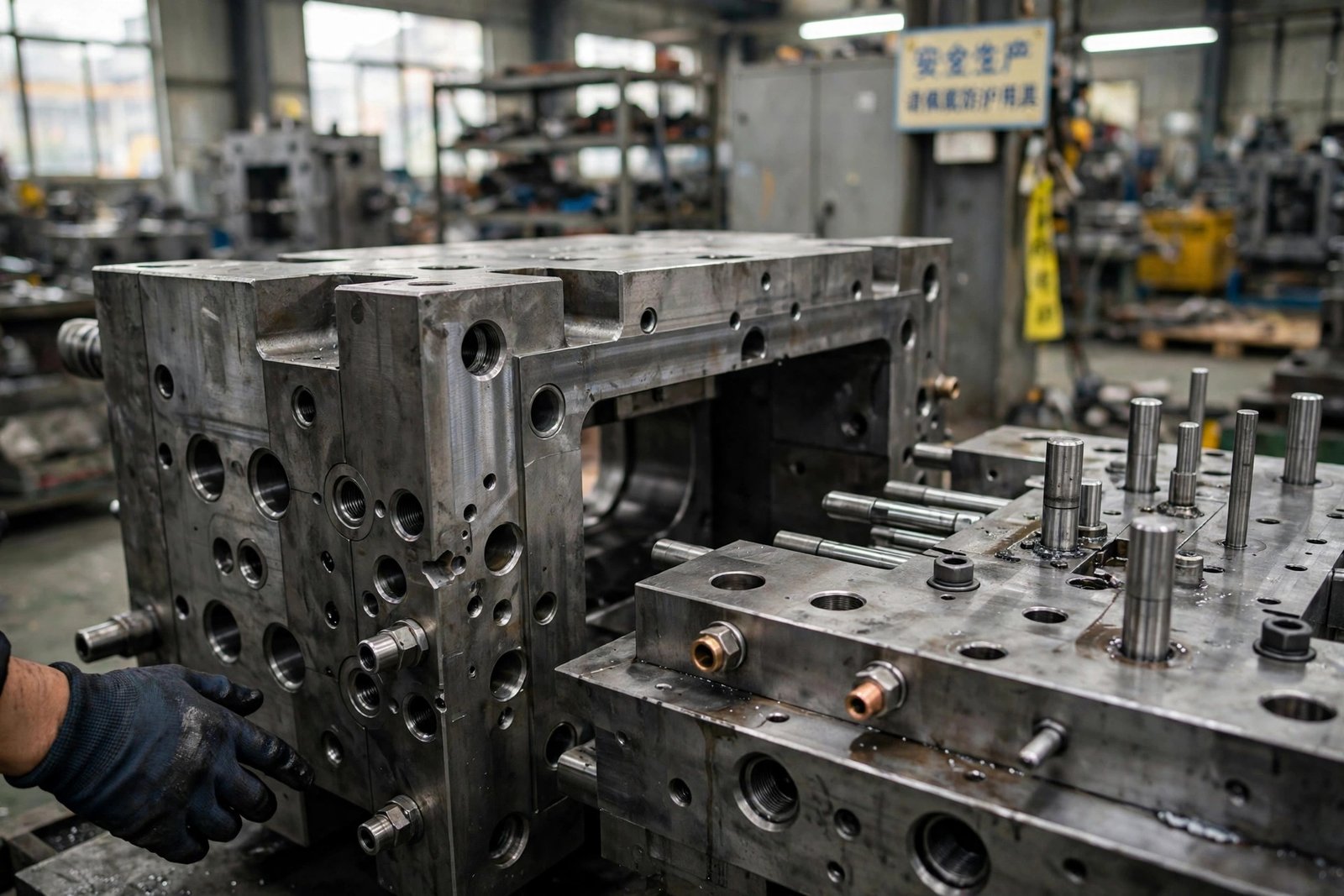
The invoice said $15,000 for tooling. The brand paid it. Two years later they wanted to move production — and the factory said the mold belonged to them. The brand had paid for a mold they didn't own, to make a product they couldn't take anywhere else.
You pay for the mold. It lives at the factory — it has to, that's where it's used. Months pass. Years pass. The factory maintains it, stores it, refers to it as "our mold." The language drifts. Then one day you want to move production, and the drift becomes a wall: our mold, our machines, our terms.
Nothing was stolen. Nothing was even decided. That's what makes the trap so effective — it was built out of paperwork nobody wrote.
Leverage. A mold you can't move is a customer who can't leave. Some factories do it deliberately — it's retention strategy with a steel face. Others drift into it honestly: they paid for maintenance, they stored it for years, and in their mind, possession became ownership.
Either way, the result is identical: your product is hostage to a relationship you can no longer renegotiate.
A tooling agreement — before payment. Not after. Before a dollar moves. It states, plainly: you own the tooling, listed by serial number and description. The factory holds it, maintains it, and uses it for your production. Holding is not owning.
Payment tied to proof. Structure tooling payments in stages, with the final payment released when you receive photos of the finished mold with your company name marked on it. A mold with your name on it is much harder to claim.
Mark it. Your company name, engraved or stamped on the mold itself. It costs almost nothing. It ends arguments before they start.
Audit rights. The right to inspect and photograph your tooling on reasonable notice. You may never use it. Its existence changes the conversation.
An exit clause. The factory ships the mold to your designated address within an agreed number of days, at your cost, when you ask. Write the number of days. Write who pays freight. Leave nothing to "we'll work it out."
If you're reading this mid-crisis, you have two options: negotiate the mold's release (sometimes a "maintenance fee" is just ransom with better branding), or build new tooling elsewhere and walk away. Price both. A new $15,000 mold hurts — but it hurts once. Staying hostage hurts every order, every negotiation, every year.
And whatever you choose: get the paper right this time.
How much should tooling cost?
Wildly variable — a simple mold might be $5,000, a complex multi-cavity tool $50,000+. Get two or three quotes. Beware the too-cheap mold: cheap tooling wears out fast, and you'll pay for it twice.
Can I move my mold to another factory?
If you own it on paper, yes — it's yours to move. Physically, molds are built for specific machine types, so check compatibility with the new factory before you ship it across the country.
What if the factory modified my mold?
Your agreement should say modifications belong to you too — and that no modification happens without your written approval. Otherwise your mold quietly becomes a different mold, and the argument starts over.
Paying for tooling? We'll get your ownership in writing before a dollar moves — so your mold is yours, wherever it's stored.
