18 October 2026 · Bearsource
The spreadsheet said they'd save $16,000. It didn't say they'd lose the season.
A European drinkware brand had three good years with its Guangdong factory making insulated stainless steel bottles — solid relationship, clean QC history, on-time shipments. Then an agent introduced a factory two provinces over, 8% cheaper on the same bottle.
Eight percent. On a $200,000 order, that's $16,000 straight back into the budget. The founder did the math in about thirty seconds and signed. Who wouldn't? On paper, it was the easiest money the company had ever made.
Here's what the spreadsheet couldn't see: three years of knowledge that lived inside the old factory and nowhere else.
The tooling. The molds were cut for the old factory's presses and tuned over dozens of runs. At the new factory they seated differently — and bottle threads that had sealed perfectly for three years started leaking one unit in twenty.
The tribal knowledge. The old operators knew this bottle — the oven ran hot on humid days, one gasket needed an extra press. None of it was written down, and none of it moved with the purchase order.
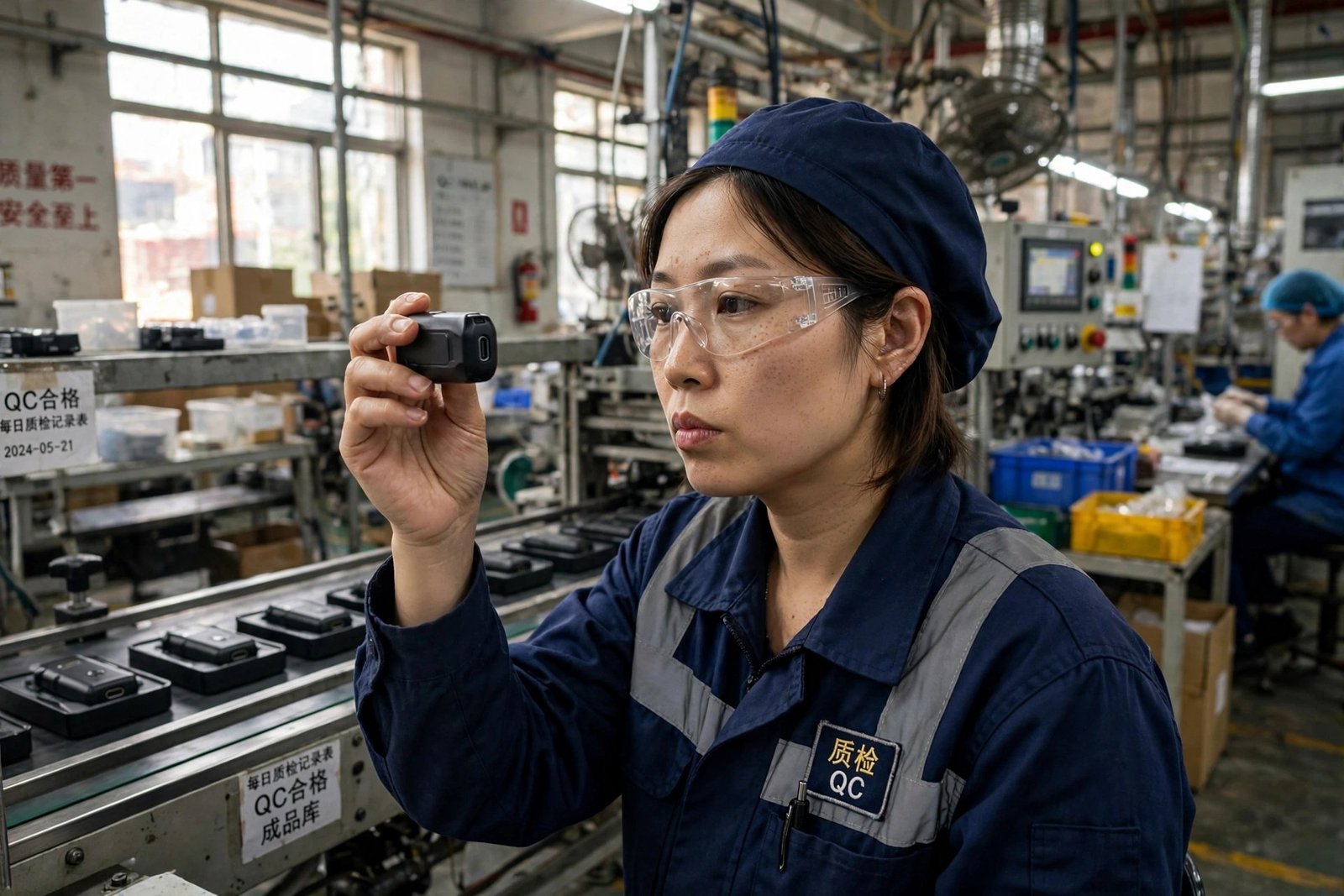
The QC standards. Three years of calibration — what "acceptable" meant, which defects were cosmetic and which killed a unit. The new factory had its own inspectors and its own idea of good enough. It wasn't.
Switching factories doesn't just buy production. It re-buys the learning curve you already paid for once.
The first articles came back wrong — lids that wouldn't thread cleanly, the orange-peel coating the old factory had eliminated in year one. Rework. New samples. More rework. The booked slot slipped two weeks, then four.
Each round burned what the quote never mentioned: midnight video calls, an engineer flown to the factory floor, tooling tweaks billed as "minor modifications." The 8% evaporated line by line.
When the bottles were finally acceptable, the autumn shipping window had closed. Air freight would have eaten the savings twice over. They missed the season.
A year later, the founder did the arithmetic properly:
Saved: 8% on unit cost — about $16,000 on the order.
Spent: three rounds of rework and re-sampling; two months of management time; tooling adjustments; and a full season of lost revenue on the best-selling bottle — the product that paid the rent.
The savings were real. They were also the most expensive $16,000 the company ever "made." The cheaper factory didn't lower costs; it moved them where the spreadsheet wasn't looking — into rework, into freight, into a season that never happened.
None of this means you should never switch. Sometimes you should — a factory that stops investing, capacity you've outgrown, capabilities your current maker doesn't have. But a switch is a project, not a purchase order:
1. Overlap the runs. Keep the old factory on core volume while the new one proves itself on a smaller order — your safety net while it climbs the learning curve.
2. Approve first articles like your season depends on it — because it does. Golden sample, then production-line samples from the actual run. The old factory earned your trust over years; the new one starts at zero.
3. Budget for the learning curve. Assume the first order costs 10–15% more in time, rework, and attention than the quote says. If the 8% doesn't survive that math, the switch doesn't either.
Brands that switch factories well treat it like hiring a key employee: slowly, with a probation period — and never by firing the old one on day one.
How do I compare two factory quotes fairly?
Add tooling adjustments, sampling rounds, your QC time, expected first-order rework, and the risk cost of a missed ship window — not just the unit price. Then ask the cheaper factory for references in your product category, and actually call them. A quote is a promise; a reference is evidence.
Should I dual-source during a transition?
Yes — it's the cheapest insurance in manufacturing. Keep the proven factory on core volume while the new one proves itself small. It costs a little margin for a few months; a failed cold switch can cost a season.
How long does a proper factory switch take?
Plan one full order cycle — typically three to six months from first contact to smooth production: sampling, first-article approval, a trial order, and at least one problem you'll solve together. Anyone promising faster is selling the spreadsheet, not the factory.
Thinking about switching factories? Talk to us first — we'll benchmark the true cost of the move and manage the transition so your season never notices.
