31 October 2026 · Bearsource
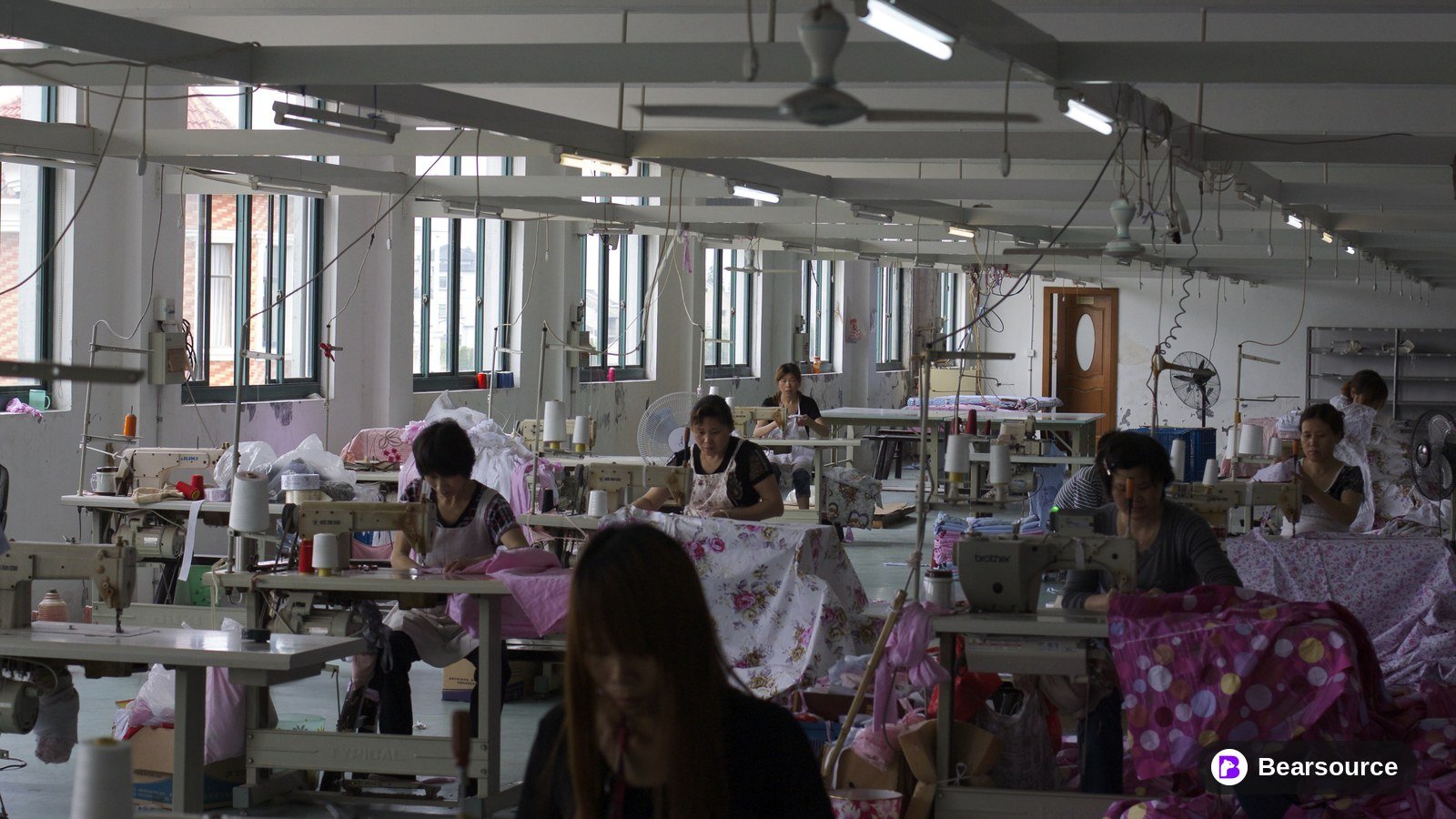
Every sourcing agent's website says the same things: trusted, experienced, quality guaranteed. None of that helps you choose. Finding an agent is easy — one search returns hundreds. Finding one who shows you real factory prices, inspects like they mean it, and picks up the phone when production goes sideways is the actual job. Here's how to do it, step by step.
Four different businesses call themselves a "sourcing agent," and they do not work for the same person:
So before you compare names, compare models — and know what each model charges, because the fee structure reveals which business you're really dealing with. We broke down all four pricing models, including the hidden-markup one, in How much does a sourcing agent cost?
Work these channels in roughly this order:
Score every candidate against the same six points. An agent who is strong on all six is rare; an agent who refuses any one of them is telling you something.
One honest upgrade before you score anyone: this checklist applies to any partner you could hire — and it hides the question that matters most. Some partners stop once the factory is found: for them, sourcing is where the job ends. Others stay through product development, QC, production, and shipment — production management, not just sourcing. The factory search is only step one of making a product. Ask every candidate, out loud, which of the two they are. For the record, BearSource is the second kind: we manage the whole run, from first idea to shipped product.
1. Fee transparency. You see the factory's original quotation, and the agent's fee is separate, in writing. If your total price is one bundled number with no factory price behind it, you are not hiring an agent — you are buying from a reseller.
2. Real factory access. A real agent names factories, shares addresses, and lets you — or an inspector — walk in. Ask to see the audit report from a recent factory vetting. Ours follows a fixed factory audit checklist: business license, capacity, QC setup, export history. "Our partner factory, details confidential" is a trading-company tell.
3. A QC process you can read. What gets inspected, when (during production, pre-shipment), against what standard (ask about AQL levels), by whom — and what the report looks like. Ask for a sample inspection report with the client name removed. "We check quality" is not a process.
4. Communication that survives time zones. Who is your day-to-day contact, where are they based, in what language, on what channel — and how fast do they answer during your trial week? Look for updates in a fixed format, with photos and video from the factory floor, arriving on a schedule rather than when you chase.
5. References you can actually call. Two or three current clients, ideally in your product category, who will take a 15-minute call with you. Testimonials on a website are marketing. A client who says "here's what they fixed for us" is evidence.
6. Business basics. A registered company you can look up. A written agreement covering scope, fees, and who owns tooling, molds, and IP. And payment terms that never ask for 100% upfront to a personal bank account.
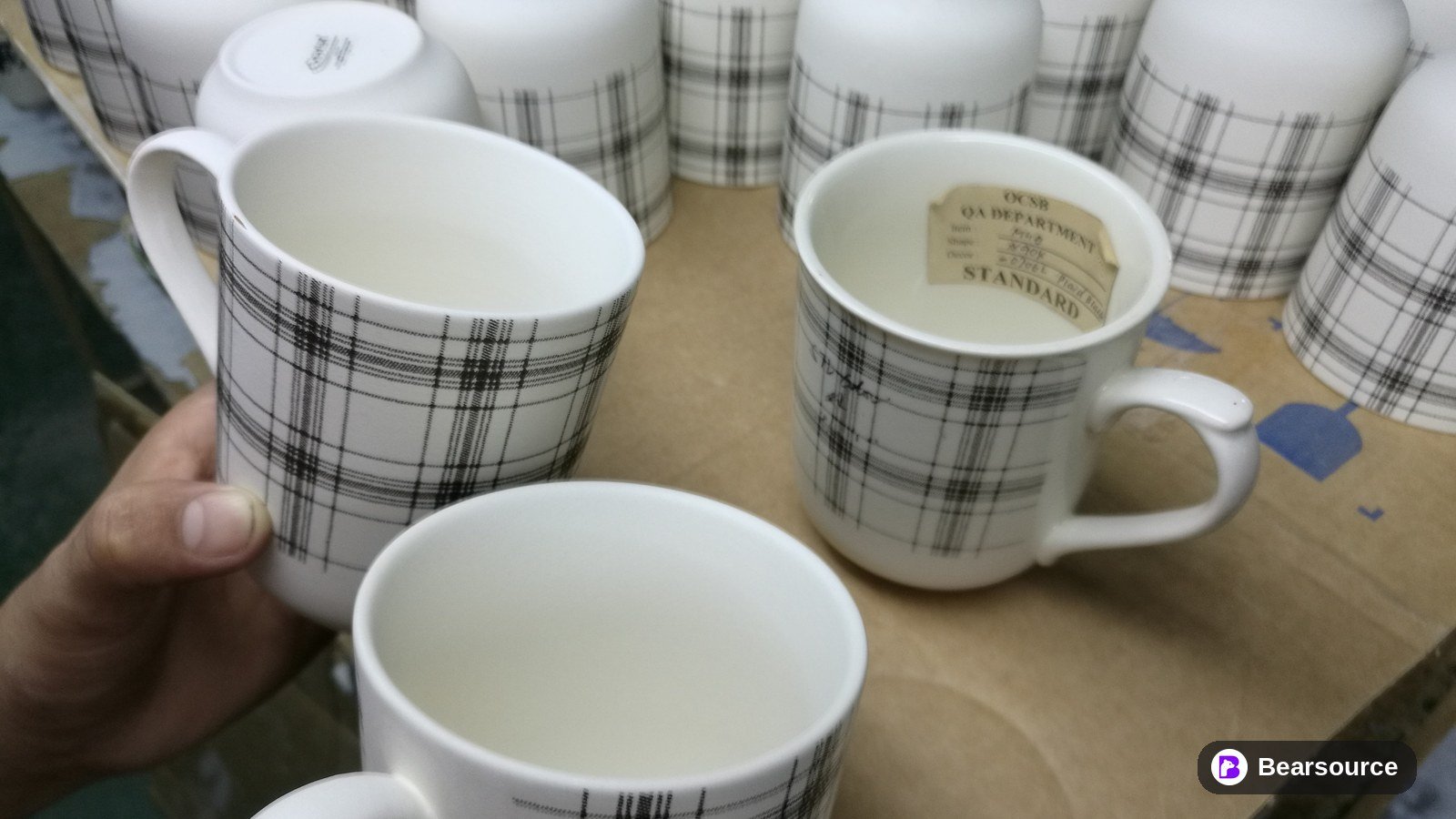
However good the calls go, don't sign the big agreement first. Run one real, small cycle: one product, one modest order — or even a sample round plus one inspection — with pass criteria agreed in advance. Then judge the trial on evidence:
A trial costs a few weeks. A bad agent costs a season. This is exactly how we structure first engagements ourselves — start small, prove the work, then scale; you can see the path in how we work.
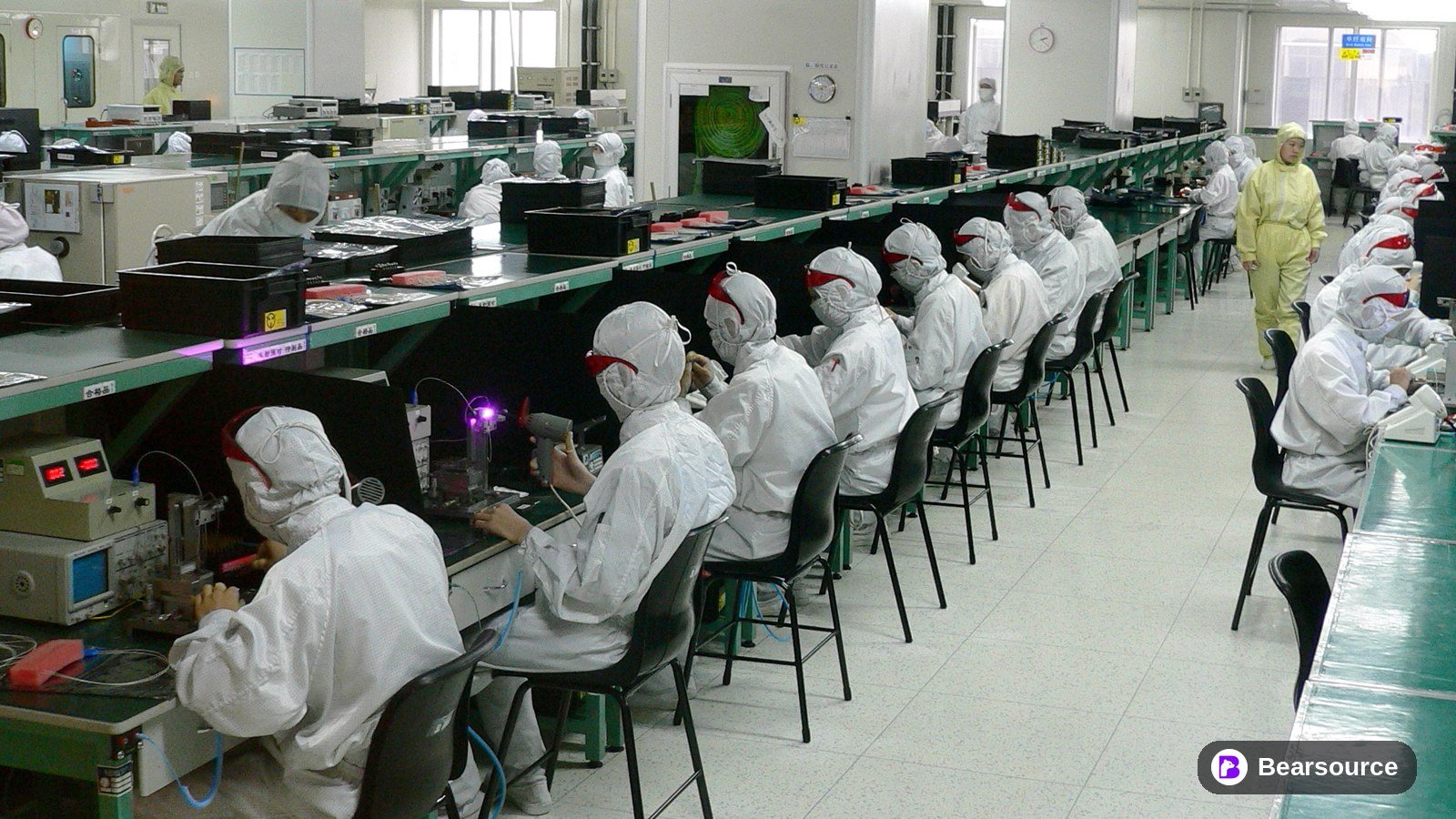
The best sourcing agent is not the one with the nicest website or the lowest headline fee. It's the one whose work you can verify before you have to trust it: visible factory prices, a written QC process, clients who will take your call, and a trial before the commitment.
Use that as your benchmark while you compare — including us. Our pricing is public, our factory vetting checklist is published above, and every engagement can start with a trial. Hold every candidate to the same standard, and the right choice usually makes itself.
How much does a sourcing agent cost?
Typically 3–10% commission on order value, a flat project fee, or a monthly retainer — and the model matters as much as the number. Full breakdown: How much does a sourcing agent cost?
Can I skip the agent and buy on Alibaba myself?
For simple, off-the-shelf products with low compliance risk, yes — many brands do. An agent earns their fee when the product is custom, when tooling or certifications are involved, when several factories need coordinating, or when one failed order would cost more than the fee.
Should my agent be based in China or in my country?
What matters is boots on the ground near your factories plus communication in your language and time zone. A local office that quietly subcontracts everything to strangers in China gives you neither. Ask who actually visits your factory, and how often.
How long should vetting take?
One to two weeks of real work: a longlist in a day, calls over the next few days, references checked, trial agreed. If the whole process took one afternoon, you didn't vet — you picked.
Currently comparing partners? Run us through the same checklist — then ask us the upgrade question too. BearSource is a production-management partner: sourcing, product development, QC, production management, and shipment, from first idea to shipped product. Our pricing is public, our process is published, and every engagement can start with a trial. Tell us what you're making — we'll give you an honest read on whether we can help.
