20 November 2026 · Bearsource
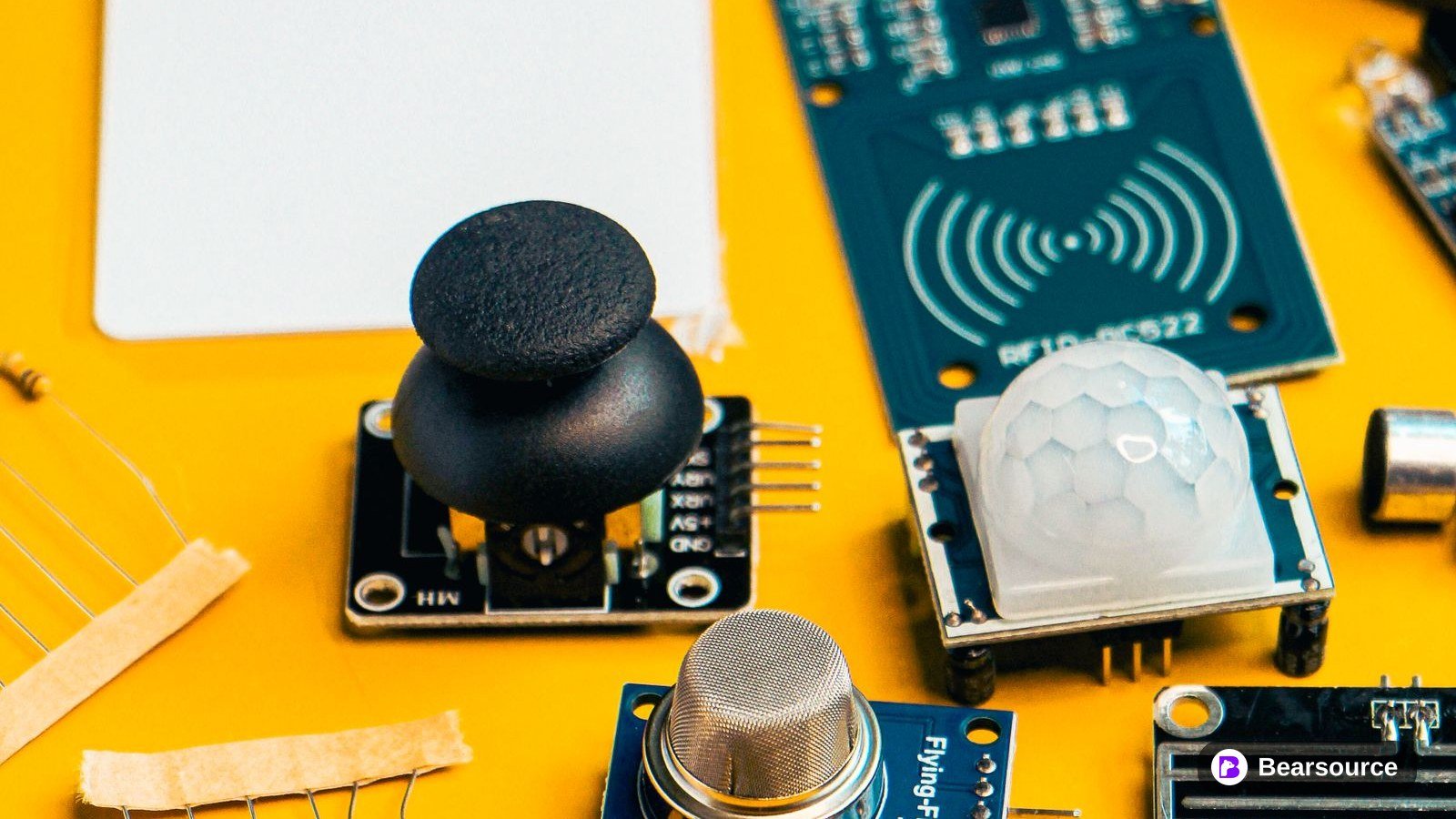
Electronics brands selling into Germany meet stiftung EAR the hard way: a blocked Amazon listing, a letter from a competitor's lawyer, or a warehouse full of stock they cannot legally sell. Germany's Electrical and Electronic Equipment Act (ElektroG) requires every 'manufacturer' of electrical equipment to be registered with stiftung EAR and hold a WEEE registration number before the first product is placed on the German market. Not after the first sale. Before.
Unlike many registrations, this one cannot be fixed retroactively in an afternoon — the application involves a financial guarantee review and routinely takes several weeks. Here is how it works and how to plan around it.
The ElektroG definition is deliberately wide. You are a manufacturer in its sense if you import electrical equipment into Germany, sell it under your own brand, or — critically for foreign brands — sell by distance selling directly to German end users, even from abroad. If any of those describe you, the registration duty is yours, regardless of what your factory or supplier has registered in their own name. A supplier's WEEE number does not cover your sales.
Brands established outside Germany must appoint an authorised representative (Bevollmächtigter) established in Germany, who registers and fulfils the duties in their name. Representative services exist precisely for this and bundle the EAR application, the guarantee and the ongoing volume reporting. If you are an EU or US brand selling electronics to German consumers online, budget for this role from day one — Amazon will ask for your WEEE registration number (WEEE-Reg.-Nr. DE) for each relevant device type, and since 2023 it has been deregistering offers from sellers who cannot provide one.
For equipment that can be used in private households (B2C), registration requires an insolvency-proof financial guarantee covering the future take-back and recycling costs of your products. In practice this is usually a bank guarantee or a guarantee insurance policy, sized on your expected sales volumes, renewed annually. Arranging it means financial documents, insurer questions and lead time — it is the main reason a WEEE application takes weeks rather than days, and the main reason 'we will register once sales start' fails: sales cannot legally start.
Note the neighbours of this duty: batteries in your products fall under the German Battery Act (BattG) with its own registration (and the new EU Battery Regulation is phasing in on top), and your sales packaging needs LUCID registration under the Packaging Act. Electronics brands typically need all three — plan them as one work package, because they share data: products, weights and volumes.
| Weeks 1–2 | Clarify roles: importer, brand owner, authorised representative if foreign |
| Weeks 2–5 | Guarantee arranged with insurer/bank; EAR application filed per device type |
| Weeks 5–8 | EAR review, queries answered, registration number issued |
| Before listing | WEEE number entered on Amazon and your own shop; marking on product and invoices |
Eight weeks is not unusual from cold start to number. Work it backwards from your launch date, and file while the product is still in production — the registration does not depend on the goods existing yet.
WEEE registration in Germany is a gate, not a formality: no number, no legal sale, and marketplaces enforce it mechanically. The brands that launch on time treat it like tooling — ordered early, in parallel with production, ready before the stock is.
Launching electronics in Germany? As a production-management partner, we schedule the compliance gates alongside the factory work — WEEE, battery and packaging registration lined up with your production and shipping dates, so stock never waits on paperwork. You bring the product. We take it from idea to shipment.
