1 November 2026 · Bearsource
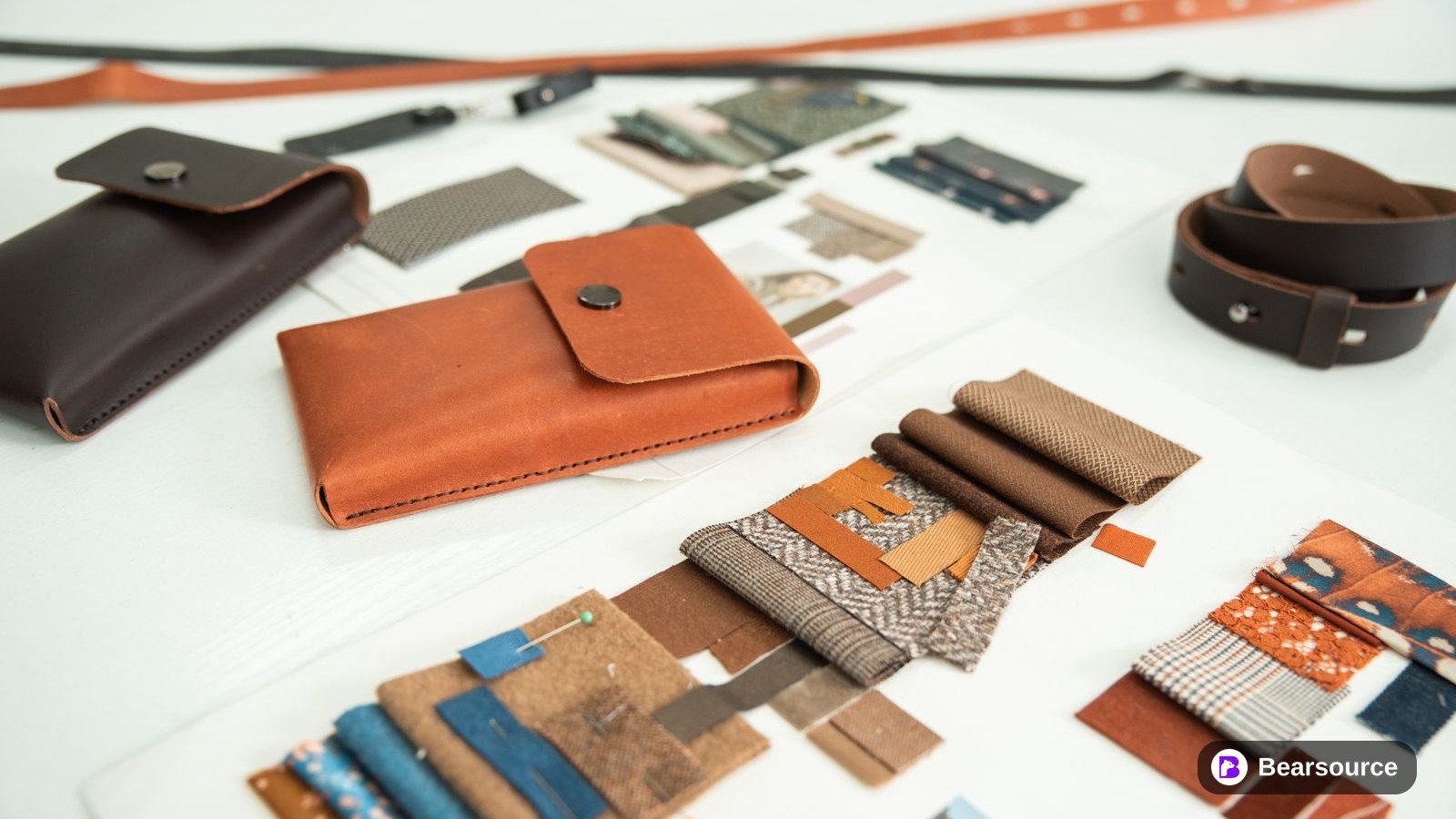
Ask a product developer how many sample rounds a new product needs and watch them smile: the honest answer is “more than you budgeted”. Sampling is where designs meet physics, and physics always has comments. Brands that budget rounds properly — in money, in calendar, in expectations — launch on schedule. Brands that budget for one perfect sample spend the difference in panic. Here is how sampling actually works, round by round.
| Simple soft goods / simple plastic item | 2–3 rounds total |
| Typical hardlines consumer product | 3–4 rounds total |
| Electronics / mechanism / multi-material | 4–6 rounds total |
| Sample fees (often credited to order) | $50–500 per round |
| Courier per round, China → US/EU | $40–120 |
| Calendar per round (make + ship + your review) | 2–3 weeks |
Read the last line twice. Sampling is not expensive in fees; it is expensive in calendar. Four rounds at two to three weeks each is two to three months between “design done” and “ready for production” — and that assumes your feedback goes back within days, every time. Most launch delays blamed on factories are sampling calendars nobody added up at the start.
For a typical consumer product, plan: 3–4 rounds, $300–1,500 in total sample and courier costs (mostly creditable), and 8–12 weeks of calendar — with your own feedback turnaround counted honestly in those weeks. Complex products: double the calendar, not the panic. Put the sample plan in the project timeline next to tooling and certification, because it shares the critical path with both.
Samples are the cheapest failures you will ever buy. Each round is a defect list converted into knowledge while fixes cost dollars and days instead of containers and quarters. Budget the rounds, consolidate the feedback, never skip the pre-production sample — and treat the golden sample like the contract it is.
Sampling is where launches are made or lost. As a production-management partner, we run sampling as a managed process — consolidated feedback per round, factory-side checks before samples ship, PPS and golden-sample discipline — so development moves in weeks, not in circles. You bring the product. We take it from idea to shipment.
