13 November 2026 · Bearsource
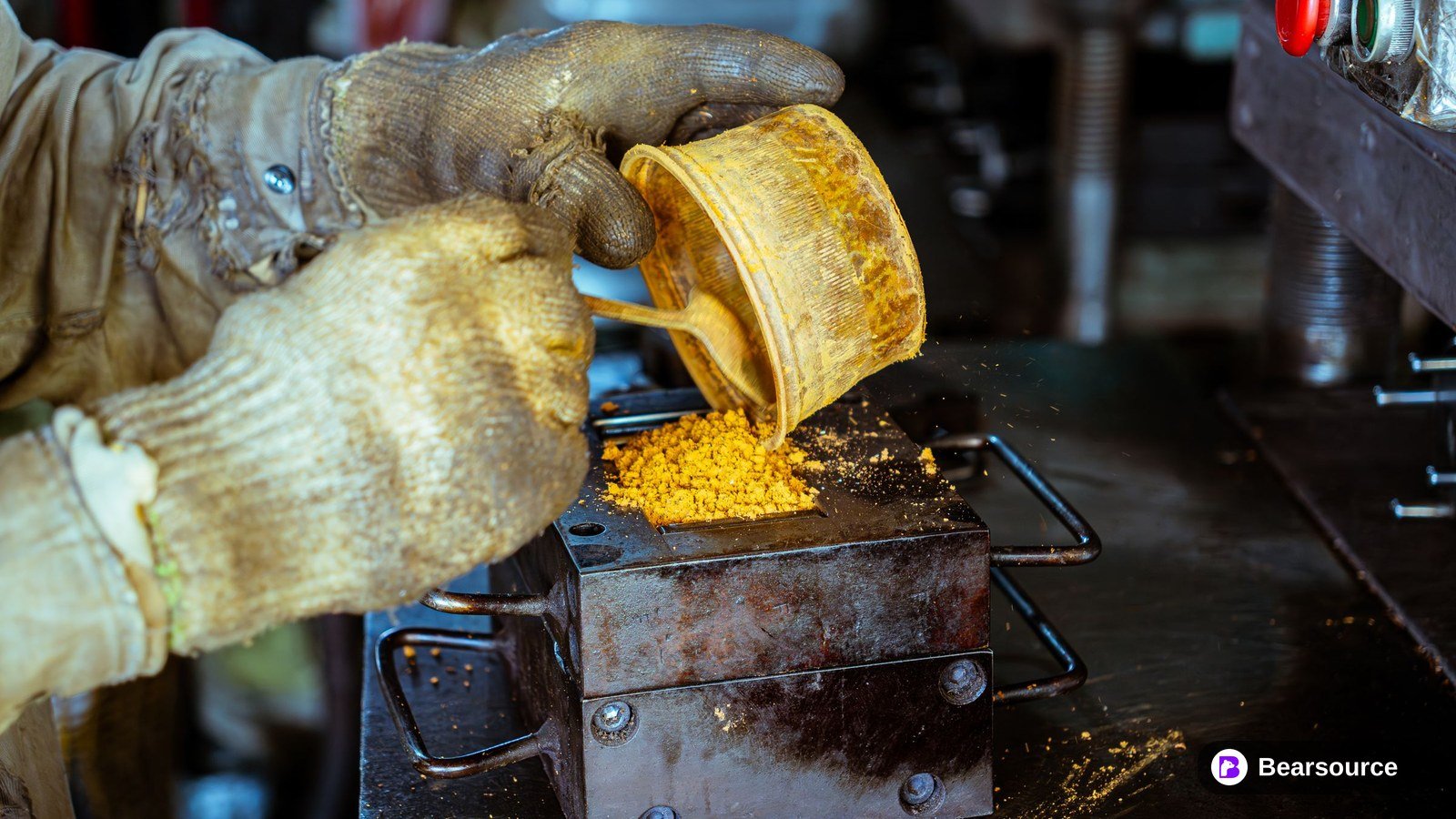
Silicone looks simple — soft, colourful, forgiving — which is why brands underestimate its manufacturing until the quotes arrive. Underneath sits a specific production world: two different moulding technologies, material grades that matter legally, and mold economics nothing like plastic injection. If you are developing a custom silicone product — kitchenware, baby items, cases, straps, seals — this is the map.
Choosing between them is a volume-and-precision decision made once, at development: a simple spatula never needs LSR; a baby-feeding product with thin walls and strict consistency usually justifies it.
“Food-grade silicone” is a claim, not a material. What matters is the standard your market enforces and the evidence behind it:
Silicone tooling is comparatively kind. Simple compression molds often run in the hundreds to low thousands of dollars, multi-cavity production molds higher; LSR tooling sits above that, driven by precision and automation. Cavities are the lever: a 4-cavity mold at a slightly higher tool price can halve unit cost against single-cavity — the classic tooling conversation, worth modelling before committing.
MOQs are usually quoted per colour and size because pigment and setup changes are per run. Expect commercial MOQs in the 500–3,000 piece range per SKU for compression products from typical factories, lower for simple items, higher for LSR automation lines. Colour is a hard boundary: every additional colourway is effectively another production run with its own minimum.
Silicone rewards brands that decide three things early: the right process for their volume (compression vs LSR), the material grade their strictest market demands (platinum-cured, post-cured, tested), and cavity economics modelled before the mold is cut. Get those right and silicone is one of the friendliest custom categories in China manufacturing. Get them wrong and the soft product develops hard problems.
Developing a silicone product? As a production-management partner, we match your product to the right process and factory, lock material grade and testing into the specification, and model mold cavities against your volumes before tooling is cut. You bring the product. We take it from idea to shipment.
