25 November 2026 · Bearsource
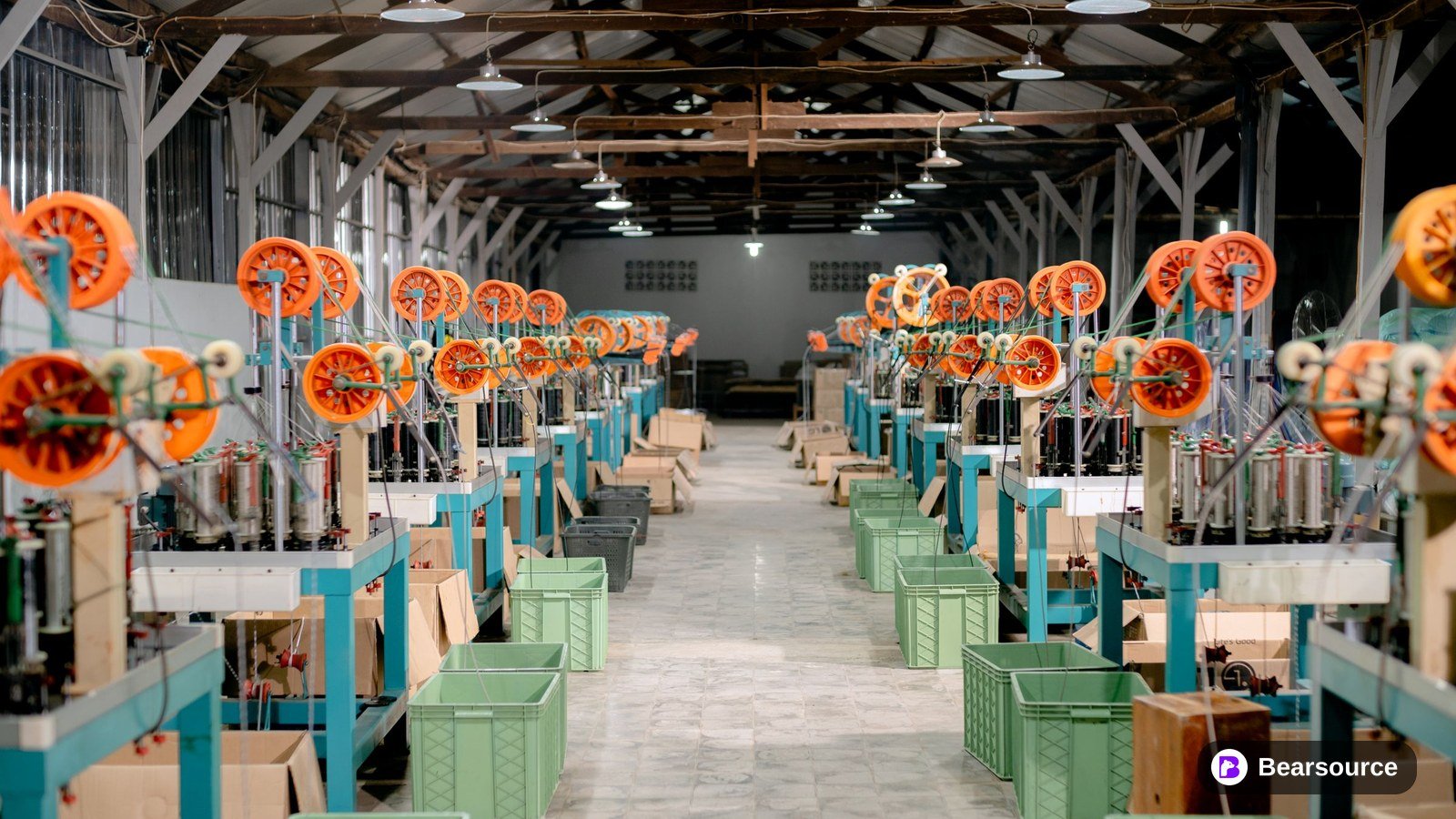
Most brands don't think about a second factory until the first one lets them down. A price increase lands two weeks before a big order. A production slot gets pushed because a bigger customer needed the line. Or worst case, the factory goes quiet — and your product, your molds and your delivery date are all sitting inside someone else's building.
By then, you are not choosing a backup factory. You are begging one for help, on their terms, at their price, with no time to check anything.
Smart brands do it the other way around. They qualify a second source while everything is still fine — calmly, cheaply, and with no emergency. This article explains why, and how to do it without damaging the relationship with your main factory.
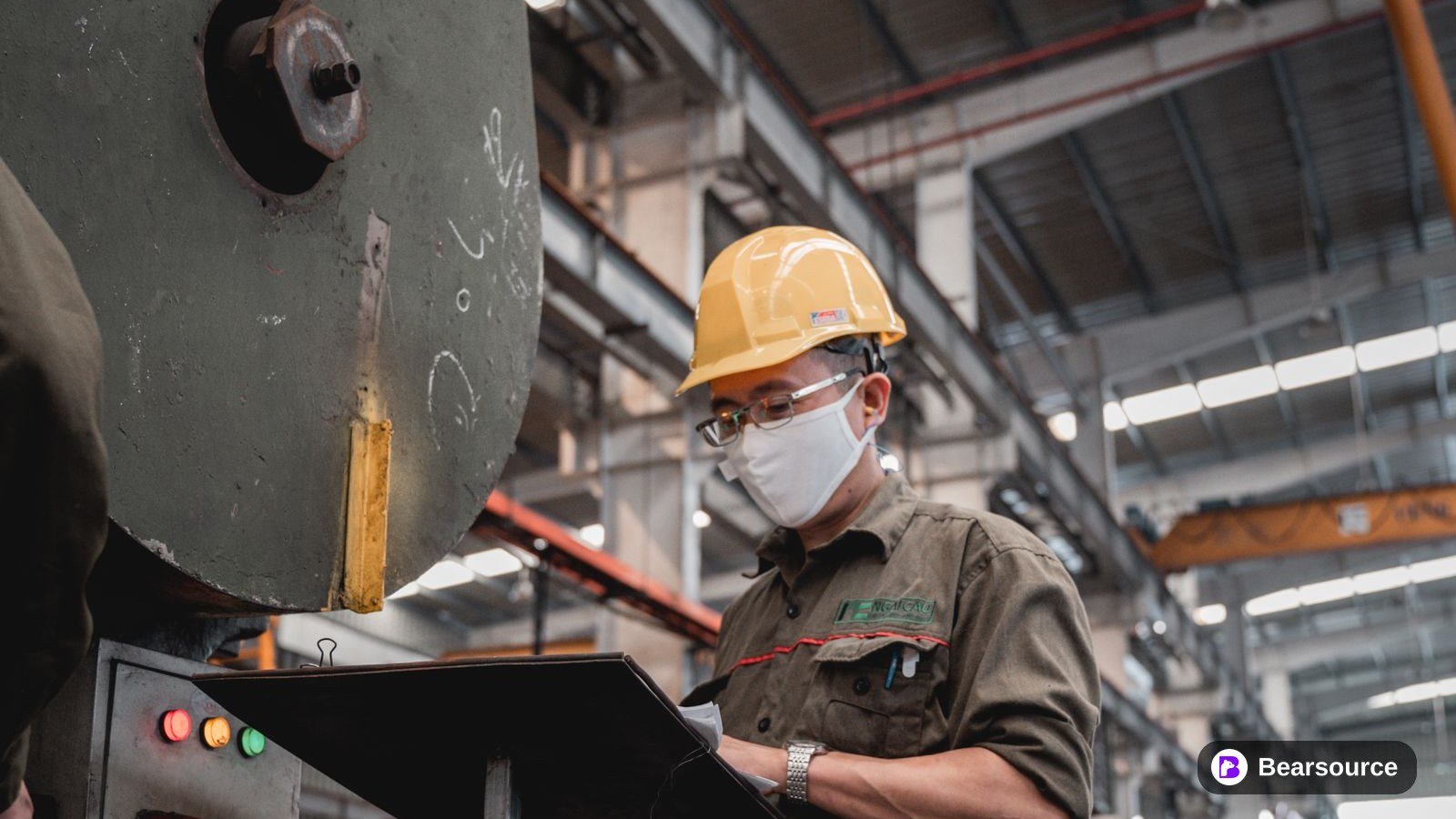
Depending on one factory is not one risk. It is four different risks, and they tend to arrive without much warning.
The first order is priced to win you. The third order is priced because they can. Material costs genuinely move, but so does your bargaining power: once a factory knows you have nowhere else to go, every negotiation starts from "take it or leave it". A qualified backup changes that conversation completely — even if you never place a large order with them.
Factories serve many customers, and in peak season the line goes to whoever shouts loudest or pays best. If your order is small next to their anchor customer, your production window can shrink or slide by weeks. A second factory with your specs already on file can take an overflow order while your main factory catches up.
The samples were perfect. The first production run was good. Then, slowly, small things change: a slightly cheaper component, a new worker on the line, a material swap nobody mentioned. Drift is normal in manufacturing — which is exactly why you need somewhere comparable to go when you spot it, and a second source of the same product to compare against.
Fires, power restrictions, environmental inspections, local shutdowns, a key machine down for a month, the owner retiring and selling the business. None of these are common. All of them happen every year to someone. If your only factory stops, your business stops with it.
Many founders hesitate because it feels disloyal. It isn't. Experienced factories expect professional buyers to dual-source — large retailers often require it. What factories dislike is games: fake orders, fishing for quotes to squeeze them, or a customer who disappears for a year and returns in a panic.
A backup programme done openly and professionally is different. You are not cheating on your factory. You are running your supply chain like a business.
A backup factory is useless if your product is trapped in the first one. Before anything else, make sure the following live with you, not only inside your main factory:
If a new factory can build your product from your files alone, you have options. If they can't, you don't have a backup — you have a hope.
Qualifying means more than collecting a quote. Run the backup candidate through the same checks you should have run on your main factory:
The goal is a factory that has already proven it can make your product to your standard — before you ever need it to.
Samples prove a factory can make ten good units. Only a production run proves it can make ten thousand. So give the backup factory a small, real, paid order — a few hundred or a few thousand units, inspected the same way you inspect your main production.
Judge it like a supplier, not a favour: Was the communication clear? Did dates hold? Did the inspection pass at your normal standard? Did the packing match your spec? Write the answers down. That file is worth more than any quote.
Yes, trial units usually cost a little more per piece. That is not waste. That is the premium on an insurance policy you can actually use.
A backup you qualified two years ago and never spoke to again is not a backup. Keep the connection alive with:
Be straightforward. Most professional factories accept a simple, honest line: "Our customers require a qualified second source for continuity. You remain our main factory — this is about risk, not about replacing you."
What you should not do is use the backup purely as a price club: forwarding quotes back and forth to shave cents. Factories talk to each other, word travels, and the brand that shops every quote ends up with no factory that prioritises it. Negotiate fairly with both. Use the backup for continuity first and leverage second.
A qualified backup sitting at zero volume is a starting point. Consider an active split — for example 70/30 or 80/20 — when:
Splitting volume keeps both factories sharp, keeps both sets of workers familiar with your product, and turns a crisis move into a phone call.
Founders sometimes skip the second source because it looks like paying twice. Run the real numbers, and it is some of the cheapest cover in the business:
Compare that with the crisis version: air-freighting a late order to hit a delivery date, swallowing a take-it-or-leave-it price jump on your main line, or refunding a retailer because a container never shipped. Any one of those costs more than the entire backup programme — and the programme's trial goods still sell.
You do not need three backups. For most products, one qualified second source, kept warm with small orders, covers the realistic risks: price, capacity, drift and downtime. Add a third only when volume or geography genuinely demands it.
Qualifying a backup factory while things are calm costs a few samples, one small trial order and some honest conversations. Qualifying one during a crisis costs whatever the market feels like charging you that week — if you can find capacity at all.
Own your molds and your files. Qualify the second factory properly. Run a real trial. Keep it warm. That is how brands survive the phone call nobody wants to get.
We manage your product from idea to delivery. That includes qualifying and auditing factories, keeping your specs and molds documented and portable, running trial orders, and inspecting production at your main factory and your backup. One product, two qualified factories, no single point of failure. You bring the idea. We build the product — and protect it.
